

If you’ve been told you have gingivitis or are seeing the early signs of gum disease, the most important question on your mind is probably, "How do I stop this from getting worse?"
The answer, thankfully, starts right in your own bathroom. Halting the progression of gum disease comes down to a dedicated and targeted daily routine. This isn't just about going through the motions; it's about methodically disrupting the plaque that fuels inflammation and damage.
Your First Line of Defense: At-Home Oral Hygiene
When you catch gum disease early, your at-home care is your most powerful weapon. Think of it as a strategic effort to remove the bacterial plaque that’s causing all the trouble. When left unchecked, this plaque hardens into tartar, leading to deeper infection and potential bone loss.
This is a bigger issue than most people realize. In fact, nearly 42% of U.S. adults aged 30 or older have some form of periodontitis, the more advanced stage of gum disease. But with the right daily habits, you can put the brakes on its progression.
Perfecting Your Brushing and Flossing Technique
First things first: let's upgrade your brushing. A soft-bristled brush is non-negotiable. Anything harder can actually damage your already sensitive gums. We often recommend the Modified Bass technique to our patients.
Here’s how it works:
- Angle the bristles at 45-degrees toward your gumline.
- Use gentle, short, circular motions.
- The goal is to gently clean that critical space where the tooth meets the gum.
After brushing, you absolutely must floss. Your toothbrush simply can't reach the spaces between your teeth, which make up roughly 40% of your tooth surfaces. This is where plaque loves to hide, eventually hardening into tartar that only a professional can remove.
If you aren't 100% confident in your flossing form, you’re not alone. We’ve put together a simple guide on how to floss correctly to help.
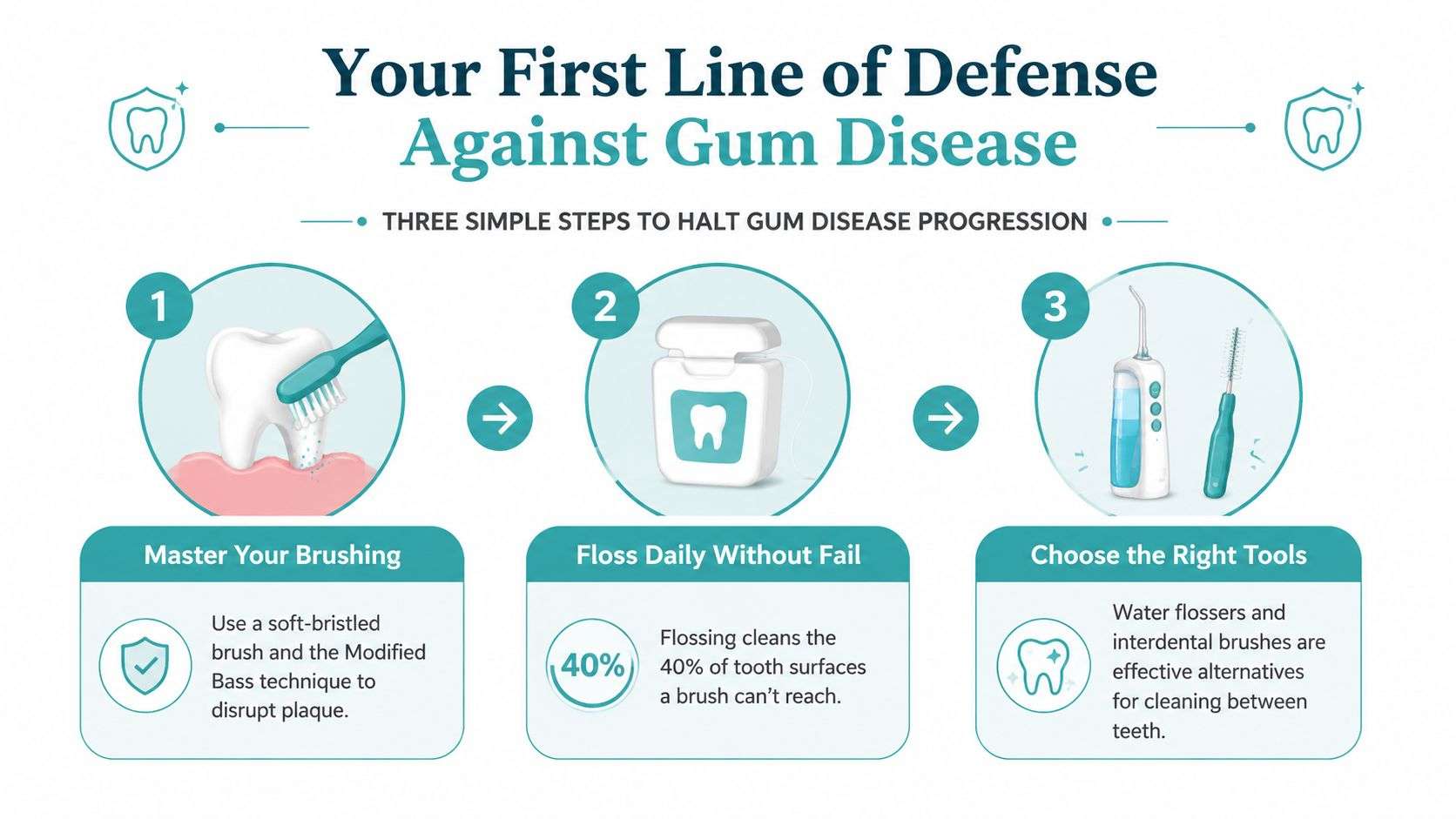
As the infographic shows, it’s the combination of proper brushing, daily flossing, and using the right supplemental tools that creates a truly solid defense.
The single most important takeaway here is consistency. Doing these steps correctly every single day is what separates managing gum disease from letting it win.
What if Floss Isn’t Working for You?
Let’s be honest—some people just hate using traditional floss. If you’re one of them, don't just give up. There are fantastic alternatives.
- Water flossers are excellent for flushing bacteria and debris from around the gumline and out of periodontal pockets.
- Interdental brushes (or "proxy brushes") are little cone-shaped brushes perfect for cleaning larger gaps between teeth, around bridges, or braces.
The best tool is the one you will actually use every day. Finding what works for your mouth and your routine is the key to building a foundation for lasting gum health.
How Everyday Lifestyle Choices Impact Your Gum Health
What happens outside your bathroom can be just as crucial for your gums as what happens in front of the mirror. While brushing and flossing are your first line of defense, they aren't the whole story. Your daily habits can either help you win the fight against gum disease or, unfortunately, make things much worse.
When we talk about lifestyle, two things have a massive impact: your diet and whether you use tobacco. Understanding this connection is the key to protecting your gums from the inside out.

Why Smoking Is Devastating for Gum Health
If there's one habit to quit for your gums, it's smoking. It’s arguably the worst thing you can do for your oral health. The chemicals in tobacco smoke cripple your body's natural ability to fight off infections.
Nicotine is the main culprit here—it constricts the blood vessels in your gums, choking off the vital flow of oxygen and nutrients your tissues need to heal.
This creates a dangerous, deceptive situation. Reduced blood flow can actually mask early warning signs like bleeding gums, making you think everything is fine while the disease silently destroys the bone and tissue below the surface. According to the National Institute of Dental and Craniofacial Research, smoking is the single biggest risk factor for gum disease, with over 60% of current smokers affected.
The good news? Quitting brings almost immediate improvements. Blood flow returns, giving your gums a fighting chance to heal and stop the disease's progression.
Building a Pro-Gum Diet
What you eat directly fuels—or fights—inflammation throughout your body, and your gums are no exception. Cutting back on sugary drinks and snacks is a great start, but creating a truly "pro-gum" diet means actively choosing foods that help your body repair tissue and calm inflammation.
Think of it as arming your body with the nutritional tools it needs to defend itself.
Your diet can either fuel the fire of inflammation or help extinguish it. Choosing nutrient-dense foods gives your gums a fighting chance to heal and stay healthy.
To get started, focus on incorporating these key players into your meals:
- Vitamin C: This is essential for producing collagen, the protein that keeps your gum tissues firm and resilient. You'll find it in citrus fruits, bell peppers, broccoli, and strawberries.
- Antioxidants: Found in berries, leafy greens, and green tea, these powerful compounds combat inflammation and shield your gum tissues from cellular damage.
- Fiber: Crunchy fruits and vegetables like apples, carrots, and celery act like nature's toothbrushes, physically scrubbing away plaque as you chew.
Don't forget about hydration, either. Drinking plenty of water is one of the simplest and most effective things you can do. It rinses away stray food particles and boosts saliva production—your mouth's own natural defense system against harmful bacteria.
If you want to dive deeper into this topic, you might be interested in our guide on how what you eat can impact your dental health.
Navigating Professional Periodontal Treatments
Sometimes, even the most dedicated daily brushing and flossing routine isn't enough to stop gum disease. If the plaque in your mouth has hardened into tartar below the gumline, it creates a stubborn, protected environment for bacteria that you simply can't reach at home. This is where we, as your dental team, step in.
Professional treatments are a world away from a standard cleaning. They’re designed to go below the surface, directly targeting the source of the infection to halt the damage and give your gums a real chance to heal.
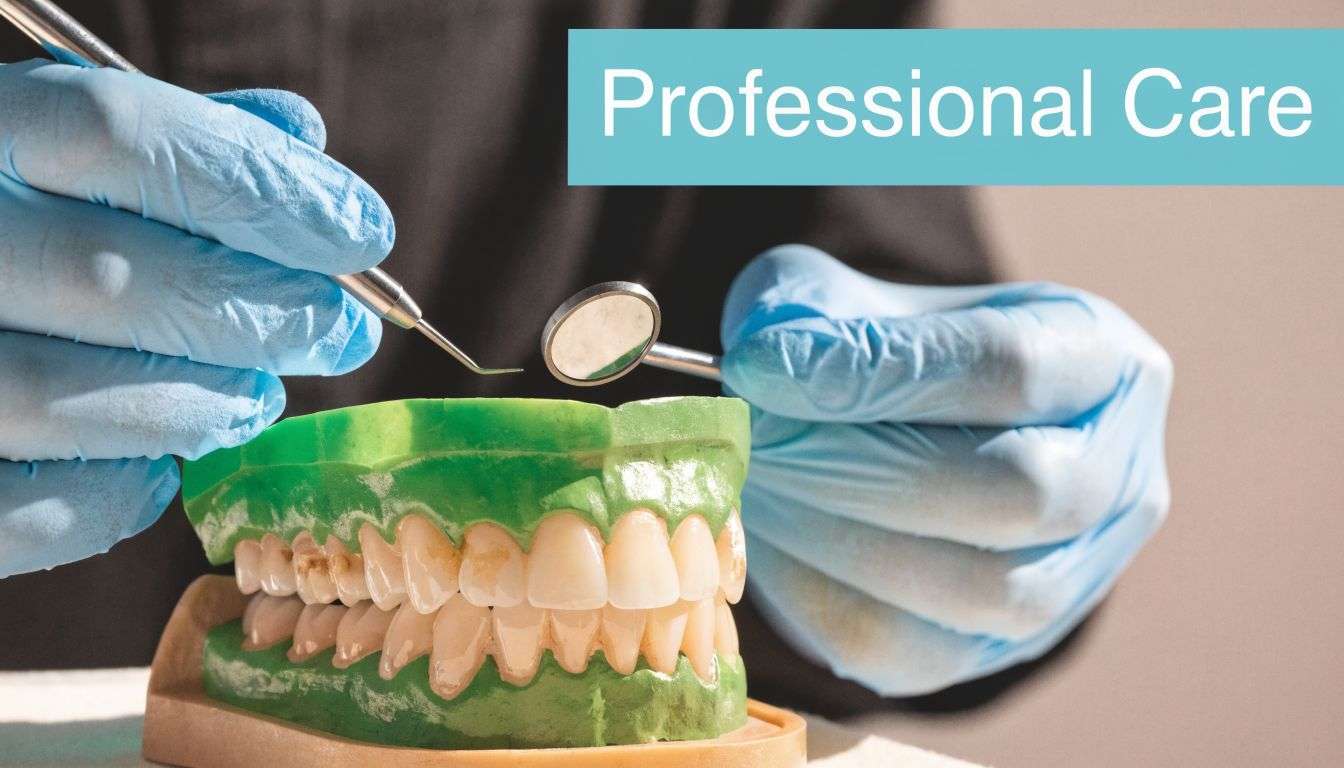
Scaling and Root Planing: The Deep Cleaning
The first line of defense in professional periodontal care is almost always scaling and root planing. You can think of it as a therapeutic deep cleaning that gets into the spaces a regular cleaning just can't touch.
Here’s what that actually involves:
- Scaling the teeth: Your dentist or hygienist will carefully remove all the hardened tartar (also known as calculus) and plaque from above and, more importantly, below the gumline.
- Planing the root surfaces: After the tartar is gone, we smooth out the root surfaces of your teeth. This is a critical step. It makes it much harder for new bacteria to cling on and helps your gums reattach snugly to your teeth as they heal.
This one-two punch is the foundation for stopping periodontitis. By clearing out the bacterial hideouts and creating a clean slate, we give your body the opportunity it needs to repair the inflamed tissue.
After a deep cleaning, we might also place targeted antibiotics directly into the gum pockets. This helps eliminate any stubborn bacteria that may be lingering in those hard-to-reach areas, giving your gums an extra boost. If you're curious about how this differs from a regular visit, you can learn more about what happens during a dental cleaning on our blog.
Advanced Surgical Options
For more advanced cases of gum disease—where there's been significant bone loss or the pockets around your teeth remain deep even after a deep cleaning—we may need to consider surgical options. I know the word "surgery" can sound a little scary, but these procedures are incredibly effective and are focused on restoring your mouth's health and stability.
Some of the most common treatments include:
- Flap Surgery (Pocket Reduction): We gently lift the gums back to get a clear view, allowing us to remove deep-seated tartar. Afterward, the gums are stitched back into place so they fit more tightly around the teeth, which reduces the pocket depth.
- Gum Grafts: If your gums have receded and exposed the roots of your teeth, a graft can be used to cover them. This not only improves the appearance but also protects the exposed roots from decay and reduces sensitivity.
- Bone Grafts: In situations where the bone that supports your teeth has been damaged, a bone graft can help your body regenerate that lost bone. This provides a much stronger and healthier foundation for your teeth.
These professional interventions are absolutely essential for getting moderate to advanced gum disease under control. They are the most predictable and effective ways to stop the infection, stabilize your oral health, and protect your smile for years to come.
Managing Related Health Conditions and Risk Factors
It’s easy to think of gum disease as just a problem in your mouth, but that couldn’t be further from the truth. Your oral health is deeply connected to what’s happening in the rest of your body, creating a feedback loop you need to be aware of.
Nowhere is this more clear than with diabetes. It’s a classic two-way street: uncontrolled blood sugar makes your gums more vulnerable to inflammation, and the infection from gum disease can actually make it harder to keep your glucose levels in check.
The Impact of Common Medications
It’s not just chronic conditions that have an impact, either. One of the most overlooked risk factors we see is the side effects of common prescription medications.
For example, countless drugs for high blood pressure, depression, and even allergies are known to cause xerostomia, or dry mouth. Think of saliva as your mouth’s natural cleaning crew—it’s constantly rinsing away food debris and neutralizing the acid produced by plaque bacteria.
When your saliva flow is reduced, that plaque builds up much faster. It creates the perfect breeding ground for the bacteria that drive gum disease, allowing it to take hold and worsen.
This is exactly why it’s so important to keep us in the loop about every single medication you take. Your mouth is truly a mirror of your overall health, and sharing your complete medical history is one of the most powerful things you can do to protect your gums.
This open line of communication allows us to see the full picture and tailor your care. When we know what we’re up against—whether it's a specific health condition or a medication—we can build a plan that works. This is especially true if you're dealing with issues like gum recession. To learn more, check out our guide on how to fix receding gums.
By working together, we can manage these interconnected factors and keep your gums healthy for the long haul.
Your Long-Term Plan for Keeping Gums Healthy
Successfully treating gum disease is a huge win, but it’s not the finish line. To make sure the infection doesn't come roaring back, you need a solid long-term maintenance plan. It helps to think of it less like a one-time fix and more like managing a chronic condition—consistency is your absolute best friend here.
This maintenance phase is all about protecting the investment you've made in your health. After we've completed a deep cleaning or other periodontal treatments, our focus shifts from actively fighting the infection to proactively preventing it. This keeps the bacteria that cause gum disease from ever getting a foothold and re-establishing their destructive colonies below your gumline.
Why Periodontal Maintenance Visits Are Non-Negotiable
A periodontal maintenance visit isn't your standard cleaning. It’s a specialized appointment designed specifically for patients with a history of gum disease. For most people in this situation, this means visiting our office every three to four months.
That schedule isn’t just a random number; it’s based on the life cycle of oral bacteria. Coming in that frequently allows us to disrupt bacterial colonies before they have time to organize, mature, and start causing damage all over again.
During these essential appointments, we do a lot more than just polish your teeth. We perform a detailed check-up to monitor your gum health from every angle. This includes:
- Measuring Pocket Depths: We'll check the small spaces between your gums and teeth to make sure those pockets aren't getting any deeper, which would be a sign of trouble.
- Checking for Bleeding or Inflammation: These are the earliest red flags that the disease might be trying to make a comeback.
- Targeted Cleaning: We focus on removing any new plaque and tartar, paying special attention to those hard-to-reach areas where bacteria love to hide.
A consistent periodontal maintenance schedule is the single most effective way to prevent a recurrence of gum disease. It’s the proactive approach that keeps your gums stable and your smile healthy for the long haul.
Answering Your Questions About Gum Disease
When it comes to gum disease, we hear a lot of the same questions from our patients. Getting straight answers is the first step toward taking control of your oral health and stopping the problem from getting any worse. Let's clear up some of the most common concerns we address here at the practice.
Can You Really Reverse Gum Disease Damage?
This is often the first thing people ask, and the answer truly depends on how far things have progressed.
If you have gingivitis, which is the earliest stage, the news is good. Yes, you can absolutely reverse it! With consistent brushing, flossing, and regular professional cleanings, we can eliminate the inflammation and get your gums back to being perfectly healthy.
However, once gingivitis advances to periodontitis, the story changes. Periodontitis causes permanent damage to the bone and tissues that hold your teeth in place. At this stage, our goal shifts from reversal to management. We can’t regrow the bone you’ve lost, but we can definitely stop the disease in its tracks to prevent further damage and help you keep your teeth.
What Warning Signs Demand an Immediate Dental Visit?
Don't just wait for your next six-month cleaning if you notice something is off. You need to call us right away if you experience any of these symptoms:
- Persistent Bleeding: Gums that bleed every single time you brush or floss.
- Noticeable Gum Recession: Your teeth are starting to look longer than they used to.
- Loose or Shifting Teeth: Any movement in your adult teeth is a major red flag.
- Persistent Bad Breath: A bad taste or odor that just won't go away, even after brushing.
These symptoms are your mouth’s way of telling you that the infection is active and likely getting worse. Getting it looked at immediately is the single best thing you can do to prevent more serious damage, like tooth loss.
For more answers to common dental questions, feel free to explore our frequently asked questions page.
Navigating your gum health journey is much easier when you have a team you can trust. Here at St. Pete Family & Cosmetic Dentistry, we have the experience and dedication to give you the expert guidance and personalized care you need. We'll help you stop gum disease and keep your smile healthy for life. Schedule your consultation with us today!