Is the lowest advertised price really the most affordable way to replace a missing tooth, or does it leave out the work that makes the tooth usable, stable, and maintainable? In St. Petersburg, that distinction matters. A dental implant quote can look manageable until the plan adds imaging, extraction, bone grafting, the abutment, the crown, sedation, and follow-up care.
The practical way to compare affordable dental implants is to evaluate the total cost of ownership. You want a treatment plan that fits your budget today without creating avoidable replacement, revision, or emergency costs later.
What Affordable Dental Implants Really Mean
An implant body is only one part of a completed tooth. A functional single-tooth restoration usually involves the titanium implant fixture, the connector called an abutment, and the visible crown. Depending on your anatomy, the plan may also include a CT scan, extraction, bone augmentation, temporary tooth, laboratory work, and follow-up visits.
In major developed markets, the cost structure for an affordable single dental implant is typically about $1,200 to $1,800 for the implant body, $800 to $1,200 for the abutment, and $1,500 to $2,200 for the crown, for a total of roughly $3,500 to $5,200 per tooth in North America and Western Europe, according to this 2025 dental implant cost analysis. Emerging markets such as India, China, and Southeast Asia often price comparable treatment 35% to 45% lower, at approximately $1,800 to $3,000 per tooth, largely because labor, laboratory, and surgical costs differ locally.

The number on the postcard isn't the final bill
A low advertised price may refer only to the implant placement procedure. Independent patient guidance lists a national average of about $2,143 for the implant procedure alone, while the crown can add approximately $488 to $3,254. Bone augmentation raises the average cost to about $5,580, which explains why a seemingly inexpensive quote can increase substantially after the examination and imaging are complete. These figures and coverage considerations are summarized in CareCredit's dental implant cost and financing guide.
Ask for an itemized estimate that answers four questions:
- What is included? Confirm whether the quote covers the implant, abutment, crown, imaging, laboratory fees, temporary restoration, and follow-up.
- What is medically necessary? An extraction or graft may be required because of infection, bone loss, or inadequate support.
- What is optional? Sedation, premium materials, upgraded cosmetic components, and certain temporary conveniences may be choices rather than necessities.
- What happens if the plan changes? Ask how additional grafting, adjustments, or replacement components would be priced.
A useful local resource for understanding the broader difference between cost-conscious care and delayed treatment is this guide to affordable dental care options. The goal isn't to find the smallest isolated fee. It's to identify the simplest clinically appropriate plan and understand every component before treatment begins.
Implant Types and Tooth Replacement Alternatives for St. Petersburg Patients
Which replacement fits your mouth and your budget? A missing front tooth, several adjacent teeth, and an entire arch require different designs. For Tampa Bay patients, compare initial cost, surgical complexity, maintenance, appearance, treatment time, and expected service life, not only whether the restoration is fixed or removable.
A single implant with a crown often suits one missing tooth when the neighboring teeth are healthy. It replaces the missing root without preparing adjacent teeth for a bridge. An implant-supported bridge can replace several nearby teeth with fewer implants than individual replacements, although it adds components and laboratory work.
Mini-implants can work in selected cases when a narrower implant provides adequate support. They are not automatically less expensive than conventional implants. Bone volume, bite forces, implant location, and the restoration being supported determine whether this option is clinically appropriate and durable.
| Option | Typical Cost Range | Expected Lifespan | Best For |
|---|---|---|---|
| Single implant and crown | Varies by components and preparation | Single-implant crowns show 97.2% survival at five years and 95.2% at ten years in a systematic review, reviewed here | One missing tooth with adequate support |
| Mini-implant restoration | Varies by anatomy and restoration | Depends on case selection, loading, and maintenance | Selected patients needing a narrower support solution |
| Implant-supported bridge | Varies by implant number and laboratory design | Implant-supported fixed prostheses show 95.6% survival at five years and 93.1% at ten years, according to the same systematic review | Several adjacent missing teeth |
| Implant-supported denture or full-arch restoration | Varies widely with implant count and prosthesis | Depends on implants, attachments, prosthesis, and maintenance | Extensive tooth loss requiring greater stability |
| Traditional bridge | Varies by materials and supporting teeth | Depends on tooth health, bite, and maintenance | Patients seeking a non-surgical fixed option |
| Removable denture | Varies by design and adjustment needs | Requires ongoing maintenance and possible replacement | Multiple missing teeth when surgery isn't appropriate |
Published survival figures describe groups of patients, not an individual guarantee. The implant can remain integrated while the crown, bridge, or denture needs repair or replacement. Components experience chewing forces, wear, hygiene challenges, and changes in the supporting tissues over time.
For total cost of ownership, include maintenance and future replacement in the comparison. A removable denture may have a lower starting cost but require adjustments or replacement. An implant may require more treatment at the beginning while avoiding preparation of adjacent teeth and providing stronger retention. Those trade-offs matter more than the lowest initial quote.
Practical rule: Choose the least complex restoration that meets your chewing, comfort, appearance, and stability goals. Complexity is often where affordability erodes.
Before deciding, review the advantages and disadvantages of dental implants versus dentures. In St. Petersburg, ask for a plan that separates required treatment from optional upgrades and shows the expected maintenance for each choice. The right answer depends on your bone, gum health, bite, goals, and ability to maintain the restoration, not on a universal ranking.
Factors That Drive Your Final Implant Cost
A reliable estimate starts with the diagnostic phase and ends only when the final restoration has been delivered. Each line item reflects a clinical decision, and some costs are fixed while others depend on what the examination reveals.
Diagnostic planning comes first
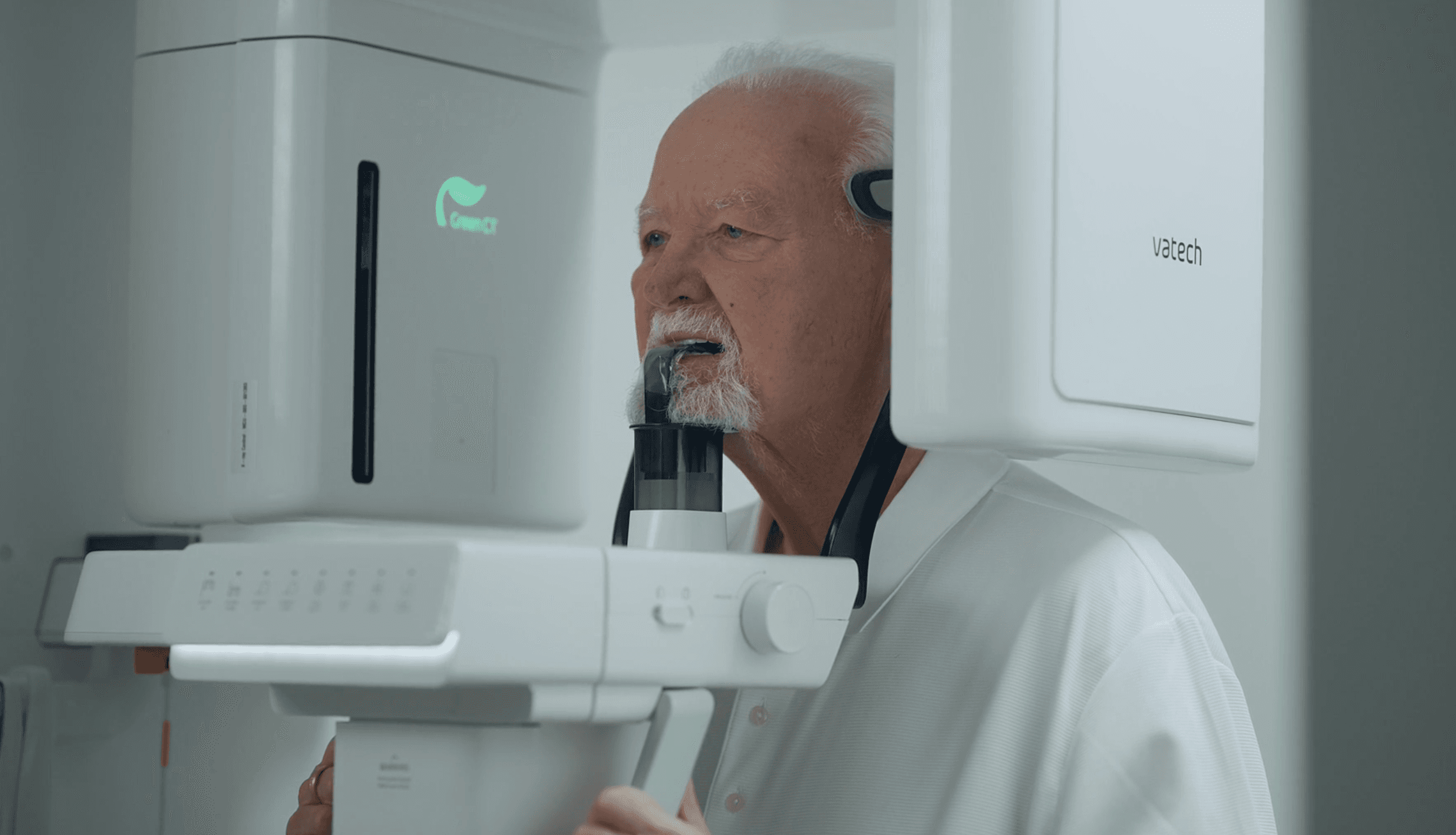
The initial consultation establishes your medical history, gum health, bite, and restorative goals. A 3D CT scan can show bone width, height, nerve position, sinus anatomy, and the relationship between the proposed implant and neighboring structures. That information adds a diagnostic fee, but skipping appropriate imaging can make the surgical plan less predictable.
The number and location of missing teeth also matter. A single front-tooth replacement may require a different design from a back-tooth restoration exposed to heavier chewing forces. Multiple implants increase surgical and restorative components, while a bridge or implant-supported denture may reduce the number of fixtures needed.

Surgical preparation changes the estimate
An infected or unrestorable tooth may need extraction before implant placement. If the jaw doesn't have enough bone for stable positioning, bone grafting may be necessary. In the upper back jaw, a sinus lift can also become part of the plan. These aren't cosmetic upgrades when the anatomy requires them, but they aren't automatically needed for every patient.
Read this explanation of bone grafting and dental implant costs before comparing quotes. The important question is not whether one office charges more for a graft. It's whether the proposed graft is medically justified, what material and technique will be used, and how it affects the treatment timeline.
Restoration choices influence value
The abutment connects the implant to the crown, and the crown's material affects appearance, strength, laboratory cost, and repair options. A front tooth may require careful shade and contour matching. A molar may place greater emphasis on chewing forces and material durability.
Sedation is another variable. Local anesthetic is commonly used for implant surgery, while laughing gas, oral sedation, IV sedation, or general anesthesia may be considered according to anxiety, medical history, procedure complexity, and patient preference. Ask whether sedation is included or billed separately.
Finally, clarify laboratory and follow-up charges. Digital impressions, 3Shape scanning, and coordinated laboratory workflows can support precise planning, but the quote should still state what you're paying for. Compare complete treatment plans rather than isolated fees.
Financing Options And Ways To Lower Your Out-Of-Pocket Cost
A treatment plan can be clinically sound and still be difficult to pay in one transaction. For many families, payment structure matters as much as the headline price. A transparent plan with manageable installments may be more useful than a lower quote that excludes necessary preparation.
Original Medicare generally doesn't pay for dental implants. Humana's explanation of Medicare and dental implants reflects that limitation, and Medicare.gov's dental-services coverage page confirms that routine Medicare coverage generally excludes implants. A separate dental benefit, employer plan, or private policy may help, but patients should verify annual maximums, waiting periods, exclusions, and whether the benefit applies to the surgical, restorative, or diagnostic portion.
Put the payment plan beside the treatment plan
Ask the office to separate the clinical phases and payment deadlines. You may be able to stage extraction, grafting, implant placement, and restoration rather than paying for every phase at once, provided your dentist confirms that delaying a phase won't compromise the result.
Common paths include:
- Dental insurance: Check whether the plan contributes toward the crown, extraction, imaging, or implant surgery, and confirm its annual maximum before assuming the benefit covers the full restoration.
- HSA or FSA funds: Eligible medical expenses may be paid with pre-tax funds. Review your account rules and documentation requirements before scheduling treatment.
- Third-party financing: Services such as CareCredit may offer installment plans, but compare promotional periods, interest terms, deferred-interest conditions, and late-payment consequences in writing.
- In-house arrangements: Some practices offer staged payments or internal plans. Ask whether the balance is due by a defined treatment milestone and whether missed payments affect care.
- Bundled treatment: Multiple implants or an implant-supported denture may have a bundled laboratory and surgical structure. Request the bundle's inclusions and exclusions.
A dental financing and payment-options page can help you prepare questions before a consultation. Seasonal offers may also exist, but a discount matters only if the treatment plan remains complete and the materials, follow-up, and warranty terms are clear.
Your Implant Treatment Timeline From Consultation To Final Crown
An implant journey usually unfolds in stages because the jaw needs time to heal around the implant. Rushing a biological process to meet a promotional deadline can create a false economy.
The planning and preparation visits
At the first appointment, the dentist evaluates the missing tooth, remaining teeth, gums, bite, and medical history. Vatech CT/Pano imaging or another suitable 3D system may be used to assess bone and map the proposed implant position. You should leave with an itemized plan, a sequence of visits, and an explanation of alternatives.
If a tooth must be removed, extraction may happen before or during implant treatment. Bone grafting or a sinus lift, if clinically necessary, can add a separate healing stage. This is the point where a low initial estimate most often changes, because the dentist can now see the anatomy rather than relying on a postcard price.
Surgery, healing, and restoration
During implant placement, the titanium post is positioned in the jawbone under local anesthesia, with additional sedation available when appropriate. After surgery, the implant enters the osseointegration phase, when bone forms a stable connection around it. The timeline varies by patient and procedure, and the visual treatment guide describes this healing period as three to six months. That range is stated in the dental implant treatment overview.
After healing, the abutment is attached. The dentist and laboratory then design and fabricate the final crown, checking its fit, contact with neighboring teeth, bite, shade, and contour before cementing or securing it to the implant.
During recovery, follow the written instructions regarding brushing, diet, activity, and temporary restorations. The guide to what happens after implant surgery can help you plan for normal care and know when to contact the office.
Healing time isn't wasted time. It protects the foundation that makes the final crown useful.
Why the Cheapest Option May Cost More Over Time
Could a lower implant quote create a higher total bill? Yes, when it excludes the conditions needed for a predictable result. Suitable imaging, stable implant components, an appropriate restoration, and follow-up access can raise the initial fee while reducing avoidable repairs, remakes, and repeat procedures.
Affordability should be measured across the implant's working life. A systematic review reported a 96.4% summary implant survival rate over ten years, with a 95% confidence interval of 95.2% to 97.5%, as documented in the long-term implant survival review. A separate cohort reported cumulative implant-level survival of 98.5% at five years and 96.8% at ten years. These findings describe studied treatment populations, not guarantees for every patient. Bone quality, case selection, prosthetic design, age, hygiene, and maintenance all affect the result.
In that review, patients aged 65 years and above had lower survival in a sensitivity analysis. Age alone does not rule out implants. The treatment plan should account for medical history, medications, healing capacity, access to hygiene, and the patient's ability to attend maintenance visits. Those factors can determine whether a lower initial price remains affordable after treatment is complete.
Dental tourism also requires a total-cost comparison. An overseas quote may differ in implant brand, laboratory materials, grafting, clinician experience, warranty coverage, and post-operative care. Flights, time away from work, emergency coordination, and difficulty obtaining adjustments or revisions can remove the apparent savings. For complex full-mouth treatment, local continuity may protect the budget and long-term function, even when the starting quote is higher.
Taking The Next Step Toward Your New Smile In St. Petersburg
A sensible decision follows a short framework:
- Request the complete price. Ask for the implant, abutment, crown, imaging, extraction, grafting, sedation, laboratory work, temporary restoration, and follow-up to be listed separately.
- Confirm necessity. Ask which procedures your anatomy requires and which choices are optional upgrades.
- Compare designs. A single crown, bridge, implant-supported denture, and removable denture solve different problems.
- Review durability and maintenance. Ask how the implant and prosthesis will be monitored and what happens if a component needs repair.
- Choose a payment structure. Compare insurance, HSA or FSA funds, third-party financing, staged treatment, and bundled pricing.
At St. Petersburg or Tampa consultations, St. Pete Family & Cosmetic Dentistry can evaluate missing teeth with Vatech CT/Pano imaging, use digital scanning when appropriate, and provide an itemized treatment proposal. Patients can also discuss sedation choices, insurance assistance, transparent financing, and monthly payment options. The practice provides implant and implant-supported denture treatment, so the consultation can address both single-tooth and more extensive replacement needs.
Bring a list of medications, your insurance information, questions about materials, and any previous dental records. Ask for the treatment sequence in writing, including which phase comes first, how long healing is expected to take, and what you'll pay at each milestone. That preparation turns “cheap implants” into a more useful question: which complete plan gives you the best balance of safety, function, durability, and affordability?
St. Pete Family & Cosmetic Dentistry offers implant evaluations, implant restorations, implant-supported dentures, Vatech CT/Pano imaging, sedation options, and financing discussions for patients comparing affordable dental implants. Visit St. Pete Family & Cosmetic Dentistry to request a consultation at the St. Petersburg or Tampa location and review an itemized plan built around your clinical needs and budget.