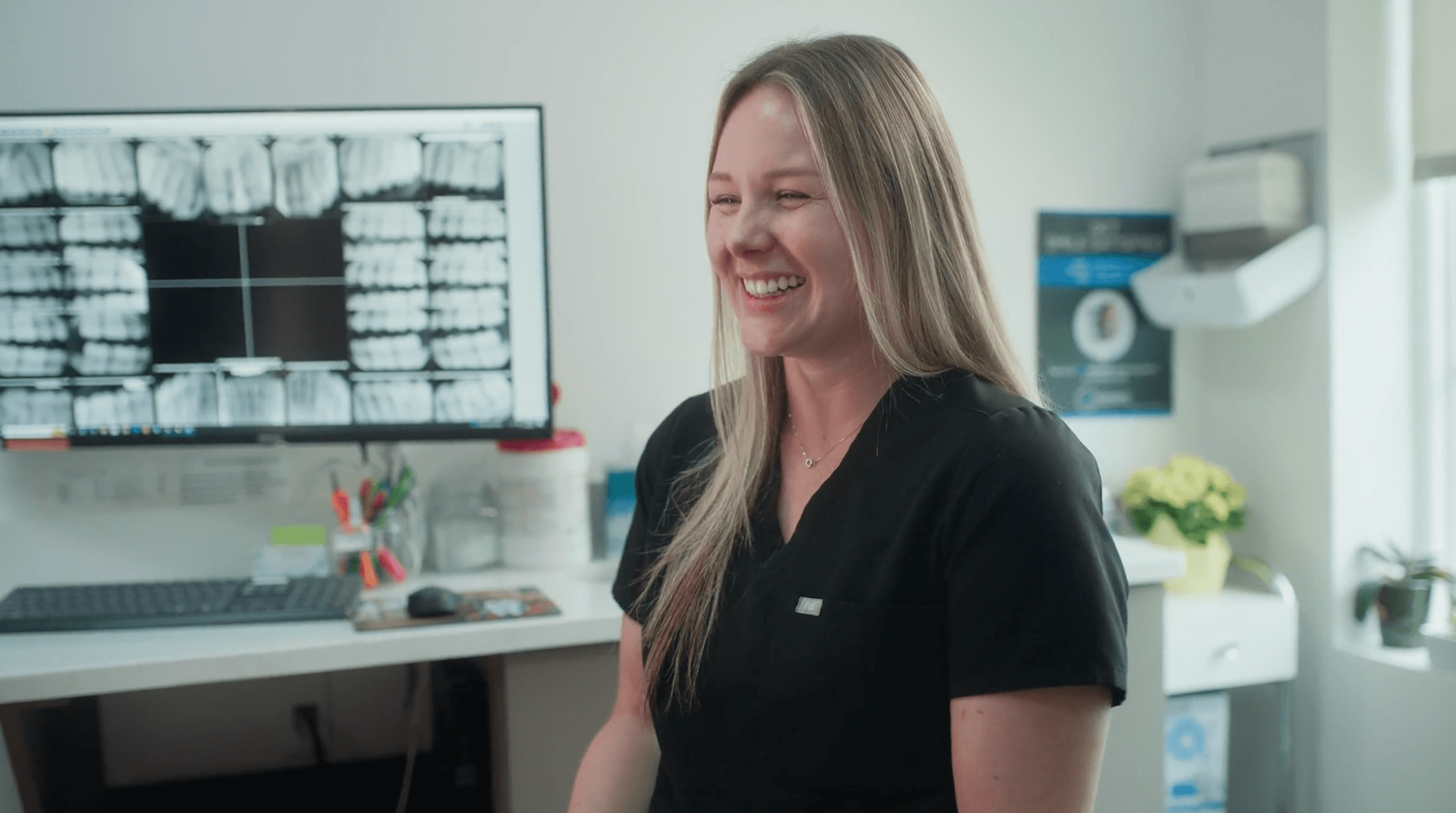
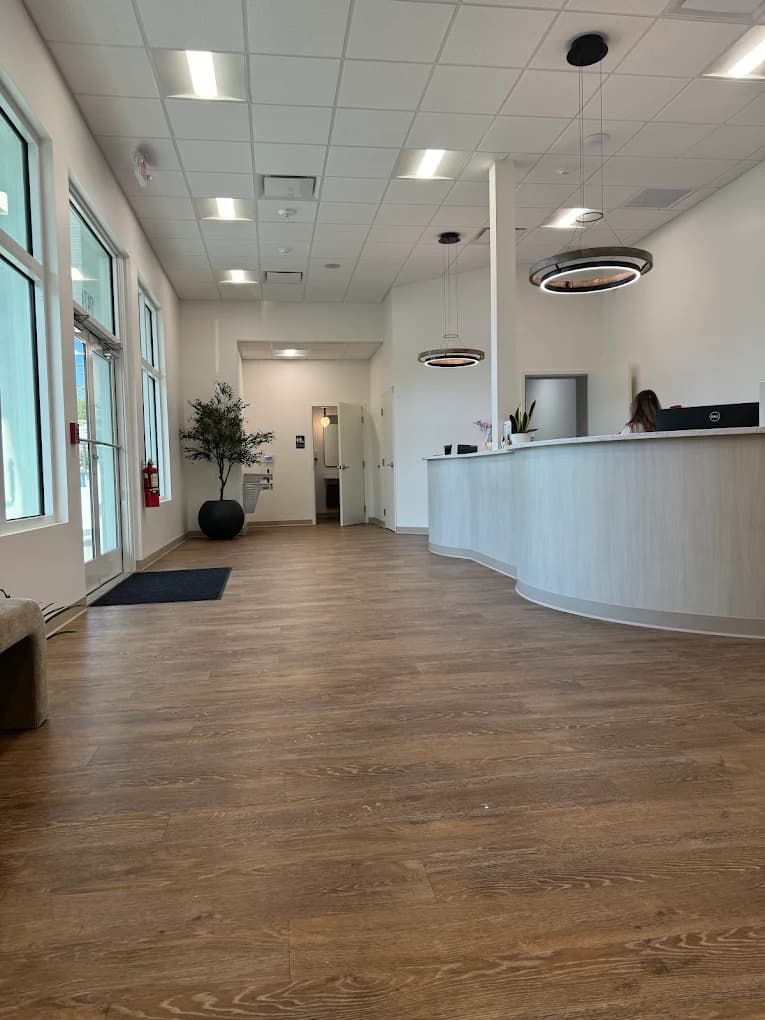
Dental chair with a smiling patient and a nurse, overlaid by a teal sign that reads 'Gentle Dental Care'

You're standing outside the dental office, trying to persuade your child that everything will be fine. Inside, you're wondering whether the appointment will be comfortable, whether the dentist will listen, and whether you'll regret waiting so long. That knot in your stomach is familiar to many patients, and it doesn't mean you're difficult or weak.

Gentle dental care starts with that feeling. It combines careful pain control, anxiety support, and respectful communication so treatment works for the tooth without overwhelming the person attached to it. The goal isn't to avoid necessary care. It's to make care feel manageable enough that patients can receive it.

When the Dental Chair Feels Like Too Much

A child may grip the chair, keep their mouth closed, or cry before anyone has examined a tooth. An adult may postpone a cleaning, ignore a broken filling, or cancel an appointment after hearing the handpiece in the next room. These reactions often come from anticipation, not from the procedure itself. The mind fills in the unknown, and the body responds as though danger is already present.

Dental fear is widespread. A 2021 systematic review and meta-analysis of 31 studies covering more than 72,000 adults estimated global dental fear and anxiety at 15.3%, while 12.4% had high dental anxiety and 3.3% had severe cases. The evidence included research published between 1991 and 2020, with much of it coming from high-income countries, particularly in Europe, showing that dental anxiety is an international concern rather than a small local issue. Read the systematic review and meta-analysis on dental fear and anxiety.

A nervous patient doesn't need a lecture about being brave. They need a plan that gives them control.

That plan usually has three parts. The dentist controls physical discomfort with appropriate numbing and, when suitable, sedation. The team lowers uncertainty by explaining what will happen before it happens. The patient keeps a voice in the appointment through agreed pause signals, questions, and permission to take breaks.

A Visit Built Around Trust

Consider an adult who hasn't had dental care for years because a painful childhood appointment still feels close. A gentle approach doesn't dismiss that history or rush straight into treatment. The dentist might begin by asking what sounds, sensations, or moments feel hardest, then create a sequence that starts with conversation and examination before any procedure.

For a child with a sore tooth, gentleness also means balancing reassurance with timely diagnosis. Comfort should never become an excuse to leave infection or decay untreated. Instead, it helps the child tolerate the examination and allows the dental team to choose the least disruptive treatment that remains clinically appropriate.

Patients often worry that gentle care means weaker care. It doesn't. The point is to match the technique to the person, the tooth, and the procedure, so fear doesn't prevent effective treatment.

What Gentle Dental Care Really Means

Gentle dental care is dentistry designed around the patient's nervous system as well as the tooth. Think of a well-run flight. The crew explains the route before takeoff, makes the cabin comfortable, and keeps the aircraft moving smoothly. A calm dental visit follows the same logic: preparation, comfort, and precise technique work together.

An infographic titled What Gentle Dental Care Really Means, explaining pre-flight briefing, comfortable cabin, and smooth takeoff concepts.

Three Choices Patients Should Notice

Pain control begins before the procedure. Topical anesthetic can prepare the area, while a carefully delivered local anesthetic numbs the treatment site. Minimally invasive delivery systems focus on controlling pressure and injection speed, rather than treating numbing as a rushed step.

Anxiety control may involve breathing techniques, behavioral support, nitrous oxide, oral sedation, IV sedation, or other medically supervised options. The right choice depends on anxiety, health history, procedure length, and how alert the patient needs to remain.

Respect and control show up in ordinary moments. The dentist explains the next step, checks comfort, honors a stop signal, and presents choices without pressure. A patient who asks for a pause shouldn't have to justify the request.

Modern comfort methods grew from major anesthesia advances. Nitrous oxide was first successfully demonstrated in dentistry by Horace Wells in 1844. Ether followed in 1846, cocaine began being used as a dental anesthetic in 1884, and procaine, also known as Novocain, arrived in 1905. Lidocaine was synthesized in 1943, introduced clinically in 1948, and became the new gold standard. These milestones helped move dentistry from crude pain control toward predictable local anesthesia and patient-centered treatment. Review the history of dental anesthesia and modern pain control.

You can recognize a meaningful comfort approach by asking practical questions. What anesthesia options are available? Does the team explain sedation and monitoring? Can the dentist use lower-abrasive cleaning technology? Will the practice stop when you signal? The answers reveal more than the word “gentle” on a website.

Sedation Options That Take the Edge Off

Sedation isn't one single experience. Each option changes alertness, onset, recovery, and the amount of support required after treatment. A short cleaning for someone mildly uneasy calls for a different plan than extensive restorative care for someone who feels unable to tolerate treatment awake.

Nitrous oxide, often called laughing gas, is the lightest option in many practices. Patients usually remain responsive and may feel relaxed or pleasantly detached. It can fit a nervous child, a patient with a strong gag reflex, or a minor filling, but the dental team still needs to evaluate medical history and suitability.

Oral sedation uses prescribed medication before or around the appointment. It can reduce anticipatory anxiety during a longer visit, such as crown treatment or wisdom-tooth care. The effect can be less predictable than an IV route, and patients generally need a responsible adult to drive them home.

IV sedation delivers medication through a vein, allowing the clinician to adjust the effect during treatment. It may suit substantial anxiety or a lengthy procedure, but it requires appropriate monitoring, preparation, and post-appointment transportation.

General anesthesia produces unconsciousness and belongs in a carefully selected setting for complex surgical treatment or patients who can't tolerate care while awake. It isn't just a stronger version of nitrous oxide. It carries different responsibilities, risks, and recovery needs.

A recent randomized trial found that IV sedation had the fastest onset and the highest anxiety reduction, while oral midazolam produced fewer side effects and high patient satisfaction. That comparison shows why the most relaxing-feeling choice isn't automatically the safest or most effective option for every patient. Review the randomized trial comparing sedation approaches.

Matching Sedation Options to Anxiety Levels and Procedures

Sedation OptionBest ForOnsetNeed a Driver?
Nitrous oxideMild anxiety, children, short proceduresQuickUsually not, confirm with the dental team
Oral sedationModerate anxiety, longer appointmentsSlower and medication-dependentYes
IV sedationStrong anxiety, lengthy proceduresFast and adjustableYes
General anesthesiaSelected complex or intolerable casesClinically managedYes, with recovery instructions

Ask about types of sedation for dentistry before booking. The clinician should discuss your health history, medications, fasting instructions when relevant, monitoring, recovery, and who must accompany you.

Services That Pair Naturally With Comfort-First Dentistry

Comfort becomes useful when it connects to the treatment on your calendar. A preventive cleaning, a cosmetic appointment, a root canal, and emergency care each place different demands on the patient. The dental team should adjust the tools and pacing rather than apply one generic comfort script to everyone.

An infographic listing dental services like cleanings, fillings, root canals, and implants, emphasizing patient comfort features.

Preventive and Cosmetic Visits

For cleanings, low-abrasive air polishing with erythritol can reduce the sensation of heavy rubbing, especially for patients with sensitivity. In a randomized controlled trial, supragingival air polishing produced significantly lower biofilm scores than the rubber-cup method immediately after cleaning and after 24 hours, with P < .001. See the randomized controlled trial on erythritol air polishing.

That doesn't mean every patient needs air polishing or that traditional instruments are inappropriate. It means the clinician can choose a debridement method that fits sensitivity, biofilm, gum health, and the cleaning goal. Patients interested in a low-abrasive cleaning approach can ask about guided biofilm therapy.

Cosmetic care can also be paced for comfort. GLO teeth whitening may involve sensitivity planning, while Simply Clear aligners, bonding, porcelain veneers, and gum contouring require different levels of examination, preparation, and possible numbing. Shorter appointment blocks, topical anesthetic, clear explanations, and planned breaks can make these visits easier without changing the clinical objective.

Restorative and Emergency Treatment

Tooth-colored fillings and crowns may need local anesthesia, while bridges, root canals, wisdom-tooth removal, extractions, dental implants, and implant-supported dentures may call for a deeper conversation about sedation and recovery. The decision depends on the procedure, the patient's health, and how long the mouth must remain open, not on a single label such as “gentle.”

Emergency care requires calm triage. A cracked tooth, abscess, or knocked-out tooth should be assessed promptly so the team can identify pain, swelling, infection, or damage that needs immediate attention. Same-day options may be available, but the dentist must first determine what treatment is safe and appropriate.

Comfort changes how care is delivered. It doesn't change the standard the treatment must meet.

What a Calm First Visit Actually Looks Like

A calm first visit starts before the chair reclines. The front desk gathers health information, medication details, dental concerns, and insurance information. A helpful team explains paperwork and financial questions early, so cost or coverage doesn't become an unpleasant surprise during treatment.

The consultation should feel like a conversation, not an interrogation. You can describe previous experiences, specific triggers, and what you need in order to feel safe. The dentist listens before examining, then explains what they see in language you can use at home.

Technology With a Patient Purpose

Vatech CT/Pano imaging can help the dental team evaluate teeth, bone, and surrounding structures when that information is clinically needed. A 3Shape digital scanner can create a digital model without the discomfort of traditional impression material. These tools don't replace the dentist's judgment, but they can support more precise planning and may make certain appointments more efficient.

A treatment plan should connect findings to choices. You should hear what needs attention, what can wait, which options are available, how appointments may be sequenced, and what costs or financing arrangements apply. A transparent plan gives you time to decide instead of forcing you to make a rushed choice with instruments already in hand.

Minimally invasive anesthesia can also influence the experience. In a patient-preference study, 86% of participants reported less discomfort than with their last traditional pain-control procedure, and 58% were willing to pay extra, with a median willingness-to-pay of $20. Review the patient-preference study on minimally invasive dental anesthesia.

Before the appointment, ask whether a companion can remain nearby, what clothing feels comfortable, and which hand signal means “pause.” Patients seeking a calmer cleaning can review new-patient dental cleaning information and bring a medication list, questions, insurance details, and any relevant dental records.

Preparing Children and Anxious Adults for the Appointment

A child may freeze at the sight of the dental chair. An adult may feel tense before the office door even opens. Preparation gives both patients a clearer map of the visit and a reliable way to say when something feels too much.

For children, use positive, everyday words. Explain that the dentist will count teeth, look inside the mouth, then clean or repair a tooth if needed. Skip dramatic descriptions of needles, drilling, or pain. A short pre-visit walkthrough can make the office, sounds, chair, and team feel familiar before treatment starts.

An infographic titled Pre-Visit Comfort Plan offering tips for children and parents to ensure a stress-free visit.

Small Changes That Help

Morning appointments may suit children who become tired or irritable later in the day. A favorite stuffed animal can provide a familiar anchor. Parents can model calm behavior without promising that every sensation will feel unusual. “The dentist will tell us each step” sets a more useful expectation than “You won't feel anything.”

Adults can prepare with the same practical approach. Slow breathing before entering the treatment room may ease physical tension. Skipping caffeine can help some people avoid adding stimulation to an already activated nervous system. Write down questions, mention sounds or bright lights that trigger you, and explain any earlier dental experience that still affects your care.

Behavioral therapy also belongs in the discussion, particularly for children with moderate or severe anxiety. A 2025 systematic review found behavioral therapy outperformed inhalational sedation for reducing dental anxiety in children. Sedation remains an option for some appointments, but medication depth should match the patient, procedure, and anxiety level. Review evidence on minimally invasive pediatric dentistry and anxiety-related care.

A Practical Morning Checklist

  • Explain the visit clearly: Use calm, age-appropriate language.
  • Pack comfort items: Bring a toy, headphones, or another familiar object if the practice allows it.
  • Write down triggers: Note sounds, sensations, positions, or past experiences that cause distress.
  • Plan transportation: Arrange a driver if sedation is part of the appointment.
  • Choose a signal: Agree on a raised hand or another clear pause request.
  • Bring questions: Keep concerns about treatment, timing, cost, and recovery in one place.

Families can review age-appropriate pediatric dental care and ask how the team adjusts communication, pacing, and comfort support for a child's temperament and treatment needs.

How to Choose the Right Gentle Dentist in St. Petersburg and Tampa

A nervous patient may need different support for a filling, a child's cavity, or a longer restorative visit. A gentle dentist should explain which comfort options match the procedure, how the team will respond if anxiety rises, and what recovery involves.

Use these questions when comparing practices:

  • Ask about sedation credentials: Which options are available, who administers them, and what monitoring and recovery instructions apply?
  • Ask about technology: Does the practice use digital imaging or scanning when clinically appropriate for precise planning?
  • Check the age range: Can the team care for children, adults, and family members with different needs?
  • Review financial communication: Does the office explain insurance, financing, and treatment costs before care begins?
  • Read patient experiences: Look for comments about communication, pacing, respect, and follow-up, not only cosmetic results.

For pediatric cavities, comfort also depends on choosing an appropriate treatment. Reviews identify silver diamine fluoride, the Hall technique, and resin infiltration as minimally invasive options with consistent benefits in specific pediatric caries scenarios. Sealants, fluoride varnish, laser approaches, and chemo-mechanical removal have more mixed or limited evidence. Ask whether an option is suitable as a first-line treatment or serves only as a temporary measure.

An infographic titled How to Choose the Right Gentle Dentist with a checklist of five qualities.

A practice's details can also help families compare care. St. Pete Family & Cosmetic Dentistry treats patients ages 5 and up and lists multiple sedation options, Vatech CT/Pano imaging, 3Shape digital scanners, insurance assistance, financing options, free parking, and two locations at 1747 16th St N in St. Petersburg and 1 Davis Blvd #103 in Tampa. Its team includes Dr. R. Andrew Powless, Dr. Jose F. Matos, and Dr. Carson Rushmore, with more than 66 years of combined experience and 250+ five-star reviews. Families can also use this guide to finding the right dentist in St. Pete for your family when comparing practices.

Before booking, ask three direct questions: Which comfort option fits my treatment? How will you respond if I need a pause? What will recovery involve? St. Pete Family & Cosmetic Dentistry offers preventive, cosmetic, restorative, emergency, and sedation dentistry in St. Petersburg and Tampa. Contact the team about your concerns and choose a plan that feels manageable.