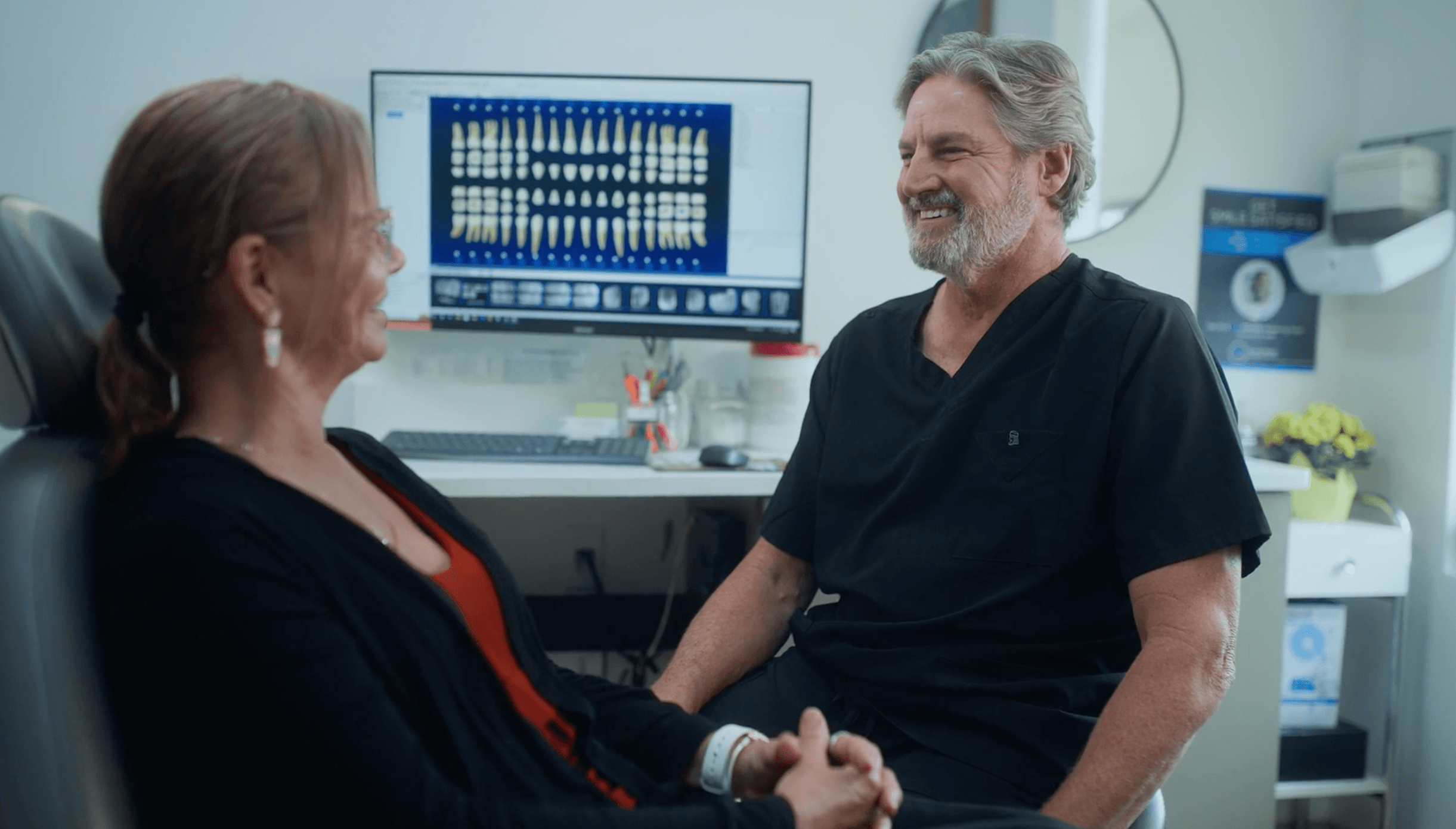
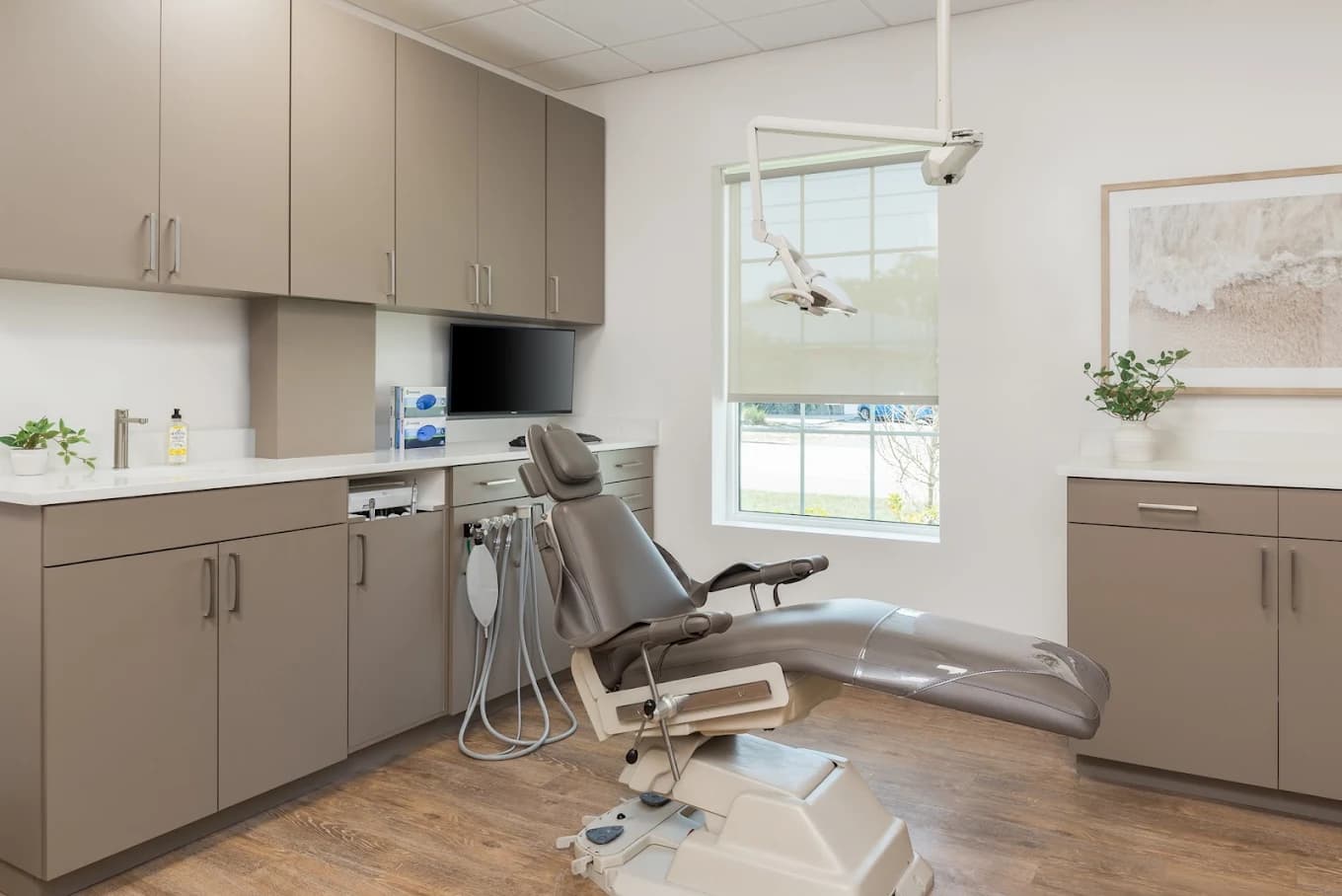
The appointment is on your calendar. You keep thinking about rescheduling it.
Maybe your stomach tightens when you hear the word “drill.” Maybe your hands get cold in the waiting room. Maybe you have not had a painful experience, but you still feel trapped, embarrassed, or overwhelmed by the idea of someone working in your mouth.
That reaction is more common than many people realize. It is also treatable.
If you are searching for how to get over dental phobia, the most helpful approach is rarely one single trick. Real progress usually comes from a combination of understanding your fear, using in-the-moment calming tools, building confidence in small steps, and choosing the right level of support for your visits. For some people, that support includes sedation. For others, it starts with one honest conversation and a very short appointment.
You Are Not Alone Understanding Dental Phobia
A lot of people with dental phobia think they are overreacting. They are not.
Fear can show up as racing thoughts the night before an appointment. It can also show up physically. A tight chest, nausea, sweating, shallow breathing, tears, jaw tension, or the urge to cancel at the last minute all fit the picture. Some patients can sit through a visit but feel exhausted afterward. Others avoid calling at all.

Approximately 21% of adults in the United States avoid dental visits due to anxiety, with 12% experiencing severe dental phobia, and one in five people globally are affected according to this overview of dental anxiety and avoidance. That matters because delaying care often turns small problems into bigger ones.
Why This Fear Feels So Strong
Dental phobia usually has a story behind it.
Sometimes it starts with a difficult appointment years ago. Sometimes the root issue is not pain at all. It may be the feeling of not being able to speak, fear of gagging, worry about needles, shame about how long it has been, or the sense that something will happen before you can stop it.
The brain learns fast from frightening experiences. If one visit felt threatening, the body may start reacting before anything has even happened. That is why many people feel anxious in the parking lot, not just in the chair.
A Common Pattern
Many anxious patients follow the same cycle:
- Avoidance: Putting off cleanings, exams, or treatment
- Relief: Feeling better temporarily because the appointment is gone
- Worsening worry: Thinking about what might now be wrong
- Emergency care: Finally coming in only when something hurts
That cycle can be broken. The first step is recognizing that fear is not a character flaw. It is a learned response that can be changed with the right plan.
Practical truth: The goal is not to become fearless overnight. The goal is to make the next step manageable.
If dental anxiety has been shaping your decisions for a while, resources about dental anxiety and patient comfort can help you start putting names to what you are feeling. Once you understand the pattern, it becomes much easier to change it.
Immediate Anxiety-Reduction Techniques You Can Use Today
When fear spikes, you need tools that work in the moment. Not vague advice. Not “just relax.”
These techniques help because they give your body and attention a job to do. That interrupts the spiral of anticipation.
Use Belly Breathing Instead Of Chest Breathing
Anxious breathing is usually fast and shallow. It tells your body there is danger.
Try this before you leave home, in the car, or while sitting in the operatory:
- Put one hand on your chest and one on your stomach.
- Breathe in slowly through your nose.
- Let the hand on your stomach rise more than the hand on your chest.
- Exhale gently through your mouth.
- Repeat for several rounds, keeping the exhale slow.
Do not worry about doing it perfectly. What matters is slowing the pace and breathing lower into the body.
Try The 5 4 3 2 1 Grounding Method
This is useful when your mind starts racing ahead to worst-case scenarios.
Look around and name:
- 5 things you can see
- 4 things you can feel
- 3 things you can hear
- 2 things you can smell
- 1 thing you can taste
This pulls attention out of fear and back into the present room.
Choose One Planned Distraction
Distraction works better when you decide on it before the appointment.
Good options include:
- A familiar playlist: Use songs you already associate with calm
- A favorite podcast: Pick something predictable, not emotionally intense
- An audiobook: A steady voice can be grounding
- A small object in your hand: Some people focus better when they can squeeze a stress ball or hold a textured item
If you tend to panic, avoid random scrolling. That usually adds stimulation instead of reducing it.
Reframe One Thought At A Time
Anxious thoughts often sound absolute.
“I will not be able to handle this.”
“This is going to hurt.”
“I am going to lose control.”
Replace them with a thought that is believable, not fake-positive:
- “I can pause if I need to.”
- “I only need to get through the next few minutes.”
- “I do not have to do this all at once.”
- “I can ask what is happening before each step.”
That kind of reframing is simple, but it changes the tone in your head from helpless to prepared.
Tip: Write one calming sentence in your phone before the appointment. Read that sentence instead of negotiating with your fear in real time.
Build A Short Pre-Visit Routine
A routine lowers uncertainty. Keep it simple.
- The night before: Set out headphones, charger, water, and your ID
- The morning of: Avoid rushing
- Before you go in: Do a few slow breaths in the car
- At check-in: Tell the front desk you are anxious, briefly and plainly
If you want practical details about what to expect before your visit, the answers in these patient FAQs can reduce some of the unknowns that tend to drive anxiety.
Building Long-Term Confidence With Behavioral Strategies
Many individuals do not get over dental phobia by forcing themselves through one scary appointment. They get over it by changing the pattern that taught their body to fear the dentist in the first place.
That is where Cognitive Behavioral Therapy, or CBT, offers a useful model. Systematic reviews show CBT can reduce dental anxiety scores by 20 to 50% and increase routine dental attendance by 60% long-term when it combines gradual exposure with cognitive restructuring, as summarized in this PMC review on CBT for dental phobia.

Think In Steps Not Leaps
Gradual exposure means approaching the fear in small, controlled stages instead of jumping straight into the hardest thing.
A useful ladder might look like this:
Say the fear out loud
Write down what bothers you most. The sound? The needle? The shame? Being specific matters.Make contact without committing to treatment
Call the office and ask questions. You do not need to promise more than that.Visit without treatment
A short consultation, a tour, or a conversation in a non-treatment setting helps many people.Start with the simplest clinical step
This may be an exam, photos, or x-rays. Keep the goal small.Move to a cleaning or minor treatment
Once your body has one manageable experience, the next step feels less threatening.Tackle bigger treatment with a plan
By then, you know the environment, the team, and your coping tools.
What Makes This Work
Avoidance teaches the brain that escape is the only safe option. Gradual exposure teaches the brain something new. You can feel anxious and still be okay.
That shift is powerful. It does not usually happen in one dramatic breakthrough. It happens through repetition, predictability, and small wins.
Make Your Exposure Ladder Personal
Your ladder should fit your triggers.
For example:
- If sounds trigger you most: Start by listening to brief recordings or asking to hear instruments before treatment
- If loss of control is the issue: Practice using a stop signal during a no-pressure visit
- If shame is keeping you away: Begin with a consultation focused on listening, not treatment
- If gagging worries you: Talk through positioning, pacing, and breaks before anything starts
Key takeaway: Progress counts even when it looks small. Calling the office, walking in, or completing a short exam may be the exact step your nervous system needed.
Keep Score Differently
People with phobia often judge success the wrong way. They think success means “I was not anxious.”
A better definition is this: “I stayed engaged without running from the situation.”
That might mean you came in despite shaking hands. It might mean you asked for a pause instead of enduring panic. It might mean you completed only part of the visit but returned again.
Those are not failed attempts. They are training reps.
If you want to know who you will be working with before taking that first step, meeting your support team can make the process feel more human and less abstract.
How To Partner With Your Dental Team For Comfortable Care
The strongest antidote to helplessness is partnership.
Dental phobia gets worse when patients feel they must endure whatever happens. Anxiety comes down when expectations are clear, the pace is discussed, and the patient knows they can stop the process.
Open communication is a cornerstone of overcoming dental fear. Experts from Cleveland Clinic and NYU recommend that patients discuss fears openly, request explanations of procedures, and agree on a stop signal to maintain a sense of control in this Health Affairs discussion of dental fear treatment approaches.
What To Say When You Call
You do not need a polished speech. A few direct sentences are enough.
Try one of these:
- “I have significant dental anxiety and need a slower approach.”
- “Can I start with a consultation before any treatment?”
- “I do better when things are explained step by step.”
- “I want to discuss comfort options before we schedule anything involved.”
That kind of language helps the team prepare for you properly. It also changes your role from passive recipient to active participant.
What To Ask At The Visit
Questions reduce uncertainty. Uncertainty feeds fear.
Ask things like:
- What will happen first today?
- What might I feel during this part?
- How long will this step take?
- Can you tell me before you switch instruments?
- If I raise my hand, will we pause right away?
Many anxious patients feel embarrassed asking for this level of communication. Do not be. Clear communication is part of good care.
Why Tell Show Do Helps
One of the most effective approaches for anxious patients is tell-show-do.
The process is simple:
- Tell: Explain what is about to happen in plain language
- Show: Demonstrate the instrument, sensation, or motion before using it
- Do: Proceed only after the patient understands what to expect
This works because fear often lives in the unknown. When the unknown becomes specific, it usually feels less threatening.
Your Stop Signal Matters
A stop signal may be the single most calming agreement you make.
Usually that means raising a hand. The point is not symbolic. The point is control. When you know you can interrupt the appointment, your body no longer feels trapped.
Tip: Agree on the stop signal before you recline in the chair. Do not wait until you are already tense.
For many patients, it also helps to know who will be providing care ahead of time. Reviewing the dentists you may meet can make the visit feel less like walking into a room full of strangers.
A Patient's Guide To Sedation Dentistry Options
Some people can work through dental phobia with communication and gradual exposure alone. Others need more support, especially if panic is intense, treatment is complex, or prior experiences were very distressing.
Sedation is not a shortcut or a failure. It is a tool. Used thoughtfully, it can help patients get necessary care while creating a new pattern of safer, calmer experiences.
For patients with severe dentophobia, sedation-assisted therapy has an 80 to 95% treatment completion rate when options such as nitrous oxide or IV sedation are integrated with gradual exposure, according to this overview of fear-focused sedation approaches.

Laughing Gas
Nitrous oxide, often called laughing gas, is usually the lightest sedation option.
Many patients describe it as taking the edge off. You are still awake. You can still respond. The goal is not to knock you out. The goal is to reduce the physical surge of anxiety enough that treatment feels manageable.
This option often makes sense when the fear is real but not overwhelming, or when someone wants a little help staying calm during a cleaning, filling, or other routine procedure.
Common trade-offs:
- It is gentle and easy to adjust
- It wears off quickly
- It may not be strong enough for severe phobia on its own
Oral Sedation
Oral sedation usually means taking prescribed medication before the appointment so you arrive more relaxed.
Patients often choose this when they know anticipation is the hardest part. If the anxiety starts the night before and builds all morning, oral sedation can help soften that climb.
What patients should know:
- You remain conscious, but feel much more relaxed
- Memory of the visit may feel less vivid for some people
- You will generally need transportation support because the calming effects can last beyond the appointment
The limitation is that it is less adjustable in the moment than nitrous oxide or IV sedation. Once taken, it has to run its course.
IV Sedation
IV sedation is often the best fit when fear is severe, treatment is lengthy, or someone has been unable to complete dental work in the past because of anxiety.
This approach allows medication to be administered and adjusted during care. Patients usually feel very relaxed and often remember little of the procedure.
Why patients choose it:
- The anxiety before and during treatment is much lower
- Longer or more involved treatment becomes more realistic
- The visit tends to feel much shorter than it is
The trade-offs matter too. IV sedation requires monitoring, planning, and recovery support afterward. It is not the right choice for every person or every appointment, but for some patients it changes everything. If you want the basics in plain language, this overview of what IV sedation dentistry is is a useful starting point.
General Anesthesia
General anesthesia is the deepest level of sedation support discussed in routine dental planning.
Patients are not awake and aware in the usual way during treatment. This level is generally reserved for specific situations, such as extreme phobia, major treatment needs, or circumstances where other approaches are not enough.
Because it is more intensive, the planning and safety discussion become more involved too. That is appropriate. The stronger the intervention, the more important it is to weigh need, benefit, recovery, and medical history carefully.
What Sedation Does Well And What It Does Not Do
Sedation can be life-changing for the right patient. It can make urgent treatment possible. It can help someone get through a procedure they would otherwise avoid. It can also create the first positive dental memory they have had in years.
But it has limits.
Sedation does not automatically erase the underlying fear pattern. If every future visit depends on being heavily sedated, the phobia may stay in place. That is why the strongest plan often combines sedation with the behavioral strategies discussed earlier.
A balanced approach looks like this:
- Use sedation to make necessary care possible
- Build communication and stop-signal habits at every visit
- Create manageable follow-up visits so the brain learns safety, not just escape
- Step down support when appropriate, not all at once
St. Pete Family & Cosmetic Dentistry offers laughing gas, oral sedation, IV sedation, and general anesthesia, which gives patients and clinicians room to match the comfort plan to the situation rather than forcing one approach on everyone.
Your First Calm Dental Visit A Practical Roadmap
The first successful visit after a long period of fear usually looks ordinary from the outside. From the patient’s perspective, it can feel huge.
That is why it helps to have a plan for the day, not just a wish that it goes well.

Before The Appointment
Keep your preparation simple and deliberate.
- Confirm the purpose of the visit: If possible, start with a consultation, exam, or another low-pressure goal
- Write down your triggers: You may freeze up once you arrive, so do not rely on memory
- Choose one coping tool: Breathing, music, grounding, or a comforting object
- Prepare one request: For example, “Please explain each step before you begin”
Do not try to master five new coping methods at once. One or two well-practiced tools are enough.
The Day Of The Visit
Protect your nervous system from extra stress.
Eat and hydrate as instructed for your planned appointment. Leave early so you are not rushing. Bring headphones if that helps. When you check in, tell the front desk clearly that you are anxious and would appreciate a calm pace.
If you are using sedation, follow the office instructions exactly. That part matters.
During The Visit
Your only job is the next step.
That may mean sitting in the chair. It may mean getting through x-rays. It may mean using your agreed stop signal once and then continuing. A good visit does not have to be a perfect visit.
Helpful anchors during the appointment:
- Keep your shoulders loose
- Exhale longer than you inhale
- Ask for updates before each change
- Use the stop signal early, not after panic builds
- Focus on one sound, one song, or one sentence
Key takeaway: Success is not measured by zero fear. Success is measured by staying involved without abandoning yourself.
After The Visit
Do not skip this part. Your brain needs help recording the experience accurately.
As soon as you are able, note what went better than expected. Maybe the team listened. Maybe the exam was shorter than your mind predicted. Maybe you were anxious and still got through it.
Then schedule the next visit before too much time passes. That protects the progress you just made.
Relapse prevention matters because 30 to 50% of patients revert within two years, but regular low-stakes visits every 3 to 4 months after initial success can reduce relapse by up to 75% compared with only going when there is a problem, according to this discussion of preventing dental anxiety relapse.
That last point is easy to underestimate. Waiting until something hurts usually reactivates fear. Routine, simpler visits help normalize the experience.
Frequently Asked Questions About Dental Phobia
Some concerns do not fit neatly into a guide. They are the questions people ask softly, or think about without saying aloud.
Quick Answers To Your Most Pressing Concerns
| Question | Answer |
|---|---|
| What if I cry at the dentist? | Crying is a stress response, not a sign that you are difficult. Tell the team you are overwhelmed and need a pause. A good response is to slow down, not to push through. |
| What if I have not been to a dentist in years? | Start with a consultation or exam. You do not need to fix everything in one visit. Most anxious patients do better with a phased plan. |
| Can I ask for treatment explanations even if it feels awkward? | Yes. Clear explanation often lowers anxiety because it reduces uncertainty. You are allowed to know what is happening in your own care. |
| Is sedation the only way to get over dental phobia? | No. Some people improve with communication, gradual exposure, and coping skills. Others need sedation as part of the plan. The right choice depends on the severity of the fear and the treatment involved. |
| What if I feel embarrassed about the condition of my teeth? | Shame keeps many people away longer than pain does. Dentists see neglected mouths, broken teeth, and delayed care regularly. The productive question is what to do next, not why you waited. |
| Can I stop in the middle of treatment? | Yes, if you and the team have agreed on a stop signal. It is better to pause early than to wait until panic is overwhelming. |
| How do I help my child if I have dental fear myself? | Keep your language neutral and calm. Avoid sharing frightening stories. Focus on simple facts, short visits, and trust-building with the dental team. |
| What if one bad appointment set this whole problem in motion? | That is common. The answer is not forcing yourself through another bad experience. The answer is creating several safe, predictable ones in a row. |
A Final Word On Progress
People often want to know how long it takes to get over dental phobia.
There is no single timeline. Some patients feel much better after one well-handled visit. Others need a slower process. The pace matters less than the direction.
If you keep taking manageable steps, fear usually loses ground.
If dental fear has been keeping you from care, St. Pete Family & Cosmetic Dentistry can help you take the next step at a pace that feels workable. Whether you need a consultation first, a clear communication plan, or a discussion about sedation options, the goal is simple: make care feel possible again.