Dental professional in blue scrubs, mask, and magnifying loupes treating a patient with a laser on the gums (text: 'Laser Gum Treatment' shown).

You brush your teeth, spit, and notice pink in the sink again. Maybe your gums bleed when you floss. Maybe your breath never feels fully fresh, even right after mouthwash. Or maybe a dentist has already told you that you have gum disease, and the words “gum surgery” made your stomach drop.

That reaction is normal. Patients often don't worry about the diagnosis first. They worry about what treatment will feel like.

The good news is that gum care has changed. Laser gum treatment gives many patients a more comfortable, more precise way to treat infected gum tissue without the old image of scalpels, stitches, and a rough recovery. If you're trying to understand whether it's right for you, this guide will walk you through the experience in plain language.

A Modern Answer To A Common Problem

A lot of people end up in the same place. They ignore a little bleeding for months because it doesn't hurt. Then they notice their gums look puffy, or a tooth feels slightly different when they bite down, or their partner mentions bad breath that keeps coming back.

By that point, they're often scared of two things at once. First, they're worried about losing teeth. Second, they're worried the fix will be painful.

That's where laser gum treatment feels different. Instead of thinking about gum therapy as a harsh surgical event, it helps to think of it as a modern tool designed to treat infection while being gentler on healthy tissue. For patients who've been putting off care because they're anxious, that shift matters.

Why Patients Often Delay Treatment

Gum disease can be sneaky. Early on, it may look like mild irritation. You might tell yourself your toothbrush is too firm or that you just need to floss more consistently.

Common warning signs include:

  • Bleeding when brushing or flossing that keeps happening
  • Swollen or tender gums that don't settle down
  • Persistent bad breath even after cleaning your teeth
  • Gums that seem to pull back from the teeth
  • A feeling that teeth are “longer” than they used to look

When patients finally learn there's a less invasive option, many feel relief more than anything else. If you've been searching for a laser dentist near you in St. Petersburg, you're probably not looking for something flashy. You're looking for something that feels manageable.

You don't need to wait until gum disease becomes severe before asking about treatment options.

What Makes This Feel Less Intimidating

Traditional gum surgery can sound overwhelming because it often brings up images of cutting the gums, placing stitches, and dealing with a longer recovery. Laser treatment changes the experience for many patients because it's built around precision.

That doesn't mean it's casual or cosmetic. It's still real periodontal treatment. But it does mean the process can feel more controlled, less dramatic, and easier to face.

For many people, the biggest first step isn't the procedure itself. It's realizing that treating gum disease doesn't always have to look the way they feared.

Understanding Laser Gum Treatment

Laser gum treatment uses concentrated light energy to clean infected areas beneath the gums while leaving more healthy tissue undisturbed. For a patient, that often means the procedure feels more controlled and less aggressive than the kind of gum surgery many people picture at first.

At the center of the treatment is precision. The laser is directed into the small space between the tooth and the gum, where bacteria and inflamed tissue can collect below the surface. Your toothbrush cannot reach that space well once gum disease has formed deeper pockets, so treatment has to go where home care cannot.

An infographic illustrating the four key benefits of laser gum treatment for dental health and recovery.

The Key Terms That Matter

Periodontitis is the stage of gum disease where infection has moved below the gumline and started affecting the structures that hold teeth in place. You may notice bleeding, tenderness, bad breath, or gums pulling away from the teeth. If gum recession is part of what you're seeing, this guide on how to fix receding gums can help explain what may be happening.

LANAP stands for Laser-assisted New Attachment Procedure. It is a specific laser protocol used in periodontal care. Dentists discuss it often because it is designed to remove diseased tissue in a targeted way and support healing with less disruption than older surgical methods.

Patients often ask a fair question here. Is the laser doing the whole job by itself?

Not quite. The laser helps reduce bacteria and remove unhealthy tissue in deep pockets, but it is often paired with other periodontal treatment so the roots and pocket areas are cleaned thoroughly.

How The Laser Works In Simple Terms

A useful way to picture the process is to compare it to cleaning a narrow space with the right tool instead of using a larger one that disturbs everything around it. The laser reaches into the pocket, where it can treat infected tissue and lower the bacterial burden in an area that is difficult to clean any other way.

That selective approach can help:

  • Remove diseased tissue with accuracy
  • Reduce bacteria beneath the gumline
  • Limit disruption to nearby healthy tissue
  • Support a cleaner, more comfortable healing process

Practical Rule: Laser treatment works best as a precise periodontal tool. Its value comes from reaching infected areas below the gums with less trauma to surrounding tissue.

Why Dentists Pair It With Other Care

Laser therapy is often combined with scaling and root planing, which is the deep cleaning used to remove plaque and tartar from the root surfaces. Each part of treatment has a role. The cleaning removes buildup. The laser helps disinfect the pocket and treat unhealthy tissue more selectively.

A randomized clinical study on laser therapy with scaling and root planing found better results in measures such as pocket depth reduction, attachment level gains, and bleeding reduction when laser treatment was added to scaling and root planing.

The simplest way to understand laser gum treatment is this. It is a modern periodontal method that helps your dentist treat infection below the gumline with precision, while making the experience feel more manageable for many patients.

Are You A Candidate For Laser Therapy

Not everyone with gum irritation needs laser treatment. That's one of the biggest sources of confusion.

Some people assume any bleeding gums mean they need the most advanced option right away. Others assume laser treatment is only for the worst cases. The truth sits in the middle. Your stage of gum disease matters.

An infographic flowchart explaining criteria for determining if a patient is a candidate for laser gum therapy.

When It's Usually Not Needed

If you have gingivitis, your gums are inflamed but the problem is still at an earlier stage. You may notice redness, mild swelling, or bleeding when brushing and flossing.

In many of those cases, the right treatment is straightforward. Better home care, a professional cleaning, and consistent follow-up may be enough to reverse the inflammation.

When It Becomes More Relevant

Laser therapy starts to make more sense when gum disease moves into periodontitis. That's the stage where infection has gone deeper under the gums and created spaces that home care can't clean effectively.

According to guidance on gum disease stages and laser recommendations, laser therapy becomes a primary recommendation specifically for early to moderate periodontitis where infection penetrates deep under the gumline, and serves as a surgical alternative only in advanced periodontitis. It is rarely indicated for gingivitis, where daily brushing and regular cleanings are sufficient.

That single point clears up a lot of marketing confusion. Laser treatment isn't automatically the answer for every gum problem. It's most useful when the disease has progressed beyond what a standard cleaning can fix.

Signs You Should Ask For A Periodontal Evaluation

You don't need to diagnose yourself, but these symptoms should push you to schedule an exam:

  • Receding gums that make teeth look longer
  • Bad breath that lingers even with good brushing
  • Tender gums that feel sore or irritated often
  • Bleeding that keeps returning instead of improving
  • Changes in tooth stability or the way your bite feels

If gum recession is one of the symptoms you've noticed, it can help to read more about how receding gums are evaluated and treated.

The best candidate isn't “someone who wants the newest treatment.” It's someone whose gum disease has reached a stage where precision below the gumline can make a meaningful difference.

The Decision Comes Down To Examination Findings

A dentist or periodontally focused provider looks at more than symptoms. They'll check pocket depths, tissue condition, areas of bleeding, and how much support the teeth still have.

That's why two people with “bleeding gums” may get very different recommendations. One may need a cleaning and better home care. Another may need a deeper periodontal approach that includes laser treatment.

Laser Treatment Versus Traditional Gum Surgery

Most patients don't ask which treatment is more advanced. They ask which one will feel easier to go through.

That's a fair question. The day-to-day experience of treatment matters. You want to know whether you'll be sore, whether you'll need time off, and whether you're signing up for a difficult recovery.

A comparison chart showing benefits of laser gum therapy versus traditional surgery for dental care patients.

The Basic Difference In Approach

Traditional gum surgery often involves lifting gum tissue, using instruments to clean the area, then suturing the tissue back into place. It can be effective, but it's a more invasive experience.

Laser gum treatment works differently. It uses focused energy to treat infected tissue with a lighter touch to surrounding areas. For many patients, that changes both the procedure day and the healing period.

Here's the side-by-side experience in plain English:

ConcernLaser Gum TreatmentTraditional Gum Surgery
How it feels conceptuallyMore targeted and minimally invasiveMore surgical and mechanical
Tools involvedLaser-based treatmentScalpels and sutures are often involved
Effect on healthy tissueMore selectiveLess selective
Recovery experienceOften easier for patientsOften more demanding
Post-op swelling and sorenessTypically reducedOften more noticeable

What Research Suggests About Comfort

Patient comfort is one of the strongest reasons people ask about lasers in the first place. A review of laser periodontal therapy and postoperative outcomes notes that laser gum therapy reduces postoperative pain and swelling, leading to faster healing times compared to traditional surgery, with patients often experiencing less need for local anesthesia during the procedure.

That matters for people who've avoided treatment out of fear. If your main hesitation is, “I don't want a miserable recovery,” this is the part worth discussing with your dentist.

What This Means For Daily Life

Laser treatment can be easier on your schedule because the recovery often feels less disruptive. Many patients are still cautious with food and brushing right after treatment, but they don't feel like they've gone through a major surgical event.

Traditional surgery may still be appropriate in some cases. Dentists don't choose methods based on trend. They choose them based on the shape and severity of the disease. But when both are clinically reasonable options, many patients prefer the laser route because it feels less intense.

A few practical differences often stand out:

  • Less visible bleeding can make recovery feel less alarming
  • Reduced swelling often means less tenderness when speaking or eating
  • No sutures in many laser cases removes one common source of anxiety
  • A gentler first impression makes it easier for nervous patients to move forward

“Will it work?” matters. “Can I get through this comfortably?” matters too. Good treatment should answer both questions.

The Best Choice Depends On Your Situation

Laser treatment isn't “better” merely because it's newer. It's better when your condition, anatomy, and goals match what the technology does well.

For some patients, the difference that matters most is comfort. For others, it's precision around natural teeth they want to preserve. If cosmetic gum reshaping is also part of the conversation, you may want to understand how gum contouring procedures differ from disease-focused treatment.

A Step By Step Guide To Your Procedure

You arrive for treatment with one big question in mind. “What is going to happen once I sit in the chair?” That uncertainty is often the hardest part.

Laser gum treatment becomes much less intimidating when you see it as a guided process with clear stages. Each step has a purpose. Each one is designed to help you stay comfortable and protect the teeth and gum tissue you want to keep healthy.

Step One Begins With A Clear Map Of The Problem

The appointment starts with a close look at what your gums are doing now, not just what they felt like last week. Your dentist checks the gum tissue, measures the spaces around your teeth, and looks for areas where bacteria and inflammation have started to damage support around the roots.

Some practices also use digital tools such as 3Shape scanners and Vatech CT/Pano imaging. Those images work like a more detailed map. They help your dental team see where the problem is active, how far it extends, and how precisely the laser needs to be used.

Your symptoms matter too. Bleeding when you brush, tenderness, sensitivity, bad breath, a bad taste, or fear about treatment all belong in this conversation. Good planning starts with the full picture, including what you feel day to day.

Step Two Focuses On Keeping You Comfortable

This part matters more than many patients expect. If you are tense, worried about pain, or have had a difficult dental experience before, say so early. Your team can adjust the plan.

Comfort may include:

  • Local anesthesia to numb the treatment area
  • Nitrous oxide to help you relax during the visit
  • Oral sedation for stronger dental anxiety
  • Breaks and step by step communication so nothing feels rushed

If sedation is part of your decision, it can help to review the differences between oral sedation and IV sedation for dental treatment before your visit.

Step Three Is The Procedure Itself

Once the area is numb and you feel settled, your dentist begins by cleaning around the teeth and below the gumline. In many cases, this includes scaling and root planing. That means removing the buildup, bacteria, and infected material attached to the root surfaces.

After that, the laser is used inside the periodontal pockets. The goal is to target unhealthy tissue and reduce bacteria while preserving as much healthy structure as possible. Many patients expect something dramatic. In reality, the treatment is often more precise and controlled than they imagined.

A simple comparison can help here. Traditional gum surgery can feel like opening a wall to fix a pipe. Laser therapy, in the right case, can feel more like reaching the problem through a smaller access point. The work is still serious, but the approach is often gentler.

Step Four Is The First Part Of Healing

When the procedure is done, the visit does not turn into a long, confusing recovery scene. You get home-care instructions, ask questions, and leave with a plan for the next few days.

Your instructions may include:

  1. Choose soft foods while the gums begin to settle
  2. Clean the area gently based on the brushing and rinsing directions you receive
  3. Avoid picking at or disturbing the tissue
  4. Come back for follow-up visits so healing can be checked

The first day often feels easier than patients feared. Still, healing tissue needs respect. A good way to look at it is this: the treatment may be finished, but your gums are still doing repair work.

A smooth procedure day depends on three things. A clear diagnosis, a comfort plan that fits you, and aftercare you understand well enough to follow at home.

Recovery Results And Long Term Care

The first thing many patients want to know after treatment is, “How long until I'm back to normal?” The honest answer is that healing is usually smoother than people expect, but long-term success depends on what happens after the appointment.

Laser therapy can make recovery easier. It doesn't make follow-up optional.

What The First Days Are Usually Like

It is important to be gentle with the treated area. Soft foods are often the safest choice at first, and aggressive brushing is off the table while the tissue settles.

You may also be asked to avoid crunchy, spicy, or irritating foods for a period of time. Think of the healing gum tissue as stable, but not ready for rough treatment.

Helpful early habits often include:

  • Choosing softer meals that don't scrape the gums
  • Keeping your mouth clean carefully without overbrushing
  • Following every aftercare instruction exactly
  • Showing up for rechecks so healing can be evaluated

What Good Results Really Mean

A lot of marketing around laser treatment creates the wrong expectation. Patients see words like “new attachment” or “laser cure” and assume gum disease is gone forever after one procedure.

That's not how periodontal disease works. As explained in this patient education article on laser gum disease treatment and maintenance, while laser therapy reduces discomfort and speeds recovery, ongoing maintenance and strict oral hygiene are mandatory to prevent recurrence, as the disease is never “permanently” eliminated and requires lifelong management.

That honesty matters. Gum disease is more like a chronic health condition than a one-time cavity. Treatment can control it very effectively, but you still have to maintain the result.

Reality Check: The procedure treats the infection you have now. Your habits and maintenance visits help prevent the next round.

How To Protect Your Investment

The long-term wins come from partnership. The dental team handles the diagnosis and treatment. You handle the daily environment that either supports healing or lets inflammation come back.

That usually means:

  • Consistent home care with careful brushing and flossing or other recommended cleaning tools
  • Regular periodontal maintenance visits instead of disappearing once symptoms improve
  • Fast action on new bleeding or tenderness before it becomes advanced again

If you're trying to improve things at home right now, this guide on preventing gum disease from getting worse is a useful place to start.

What About Cost And Insurance

Costs vary based on how much of the mouth needs treatment, how advanced the disease is, and whether other procedures are involved. Insurance coverage also varies by plan.

The practical move is to ask for a written treatment plan, a breakdown of what insurance may help with, and your estimated out-of-pocket share. That kind of clarity reduces stress and helps you make a confident decision.

Why Choose Us For Your Laser Gum Treatment

Technology helps, but technology alone doesn't create a good experience. The results depend on who's using it, how carefully they diagnose the problem, and how well they support you before, during, and after treatment.

That's why provider choice matters so much with laser gum treatment.

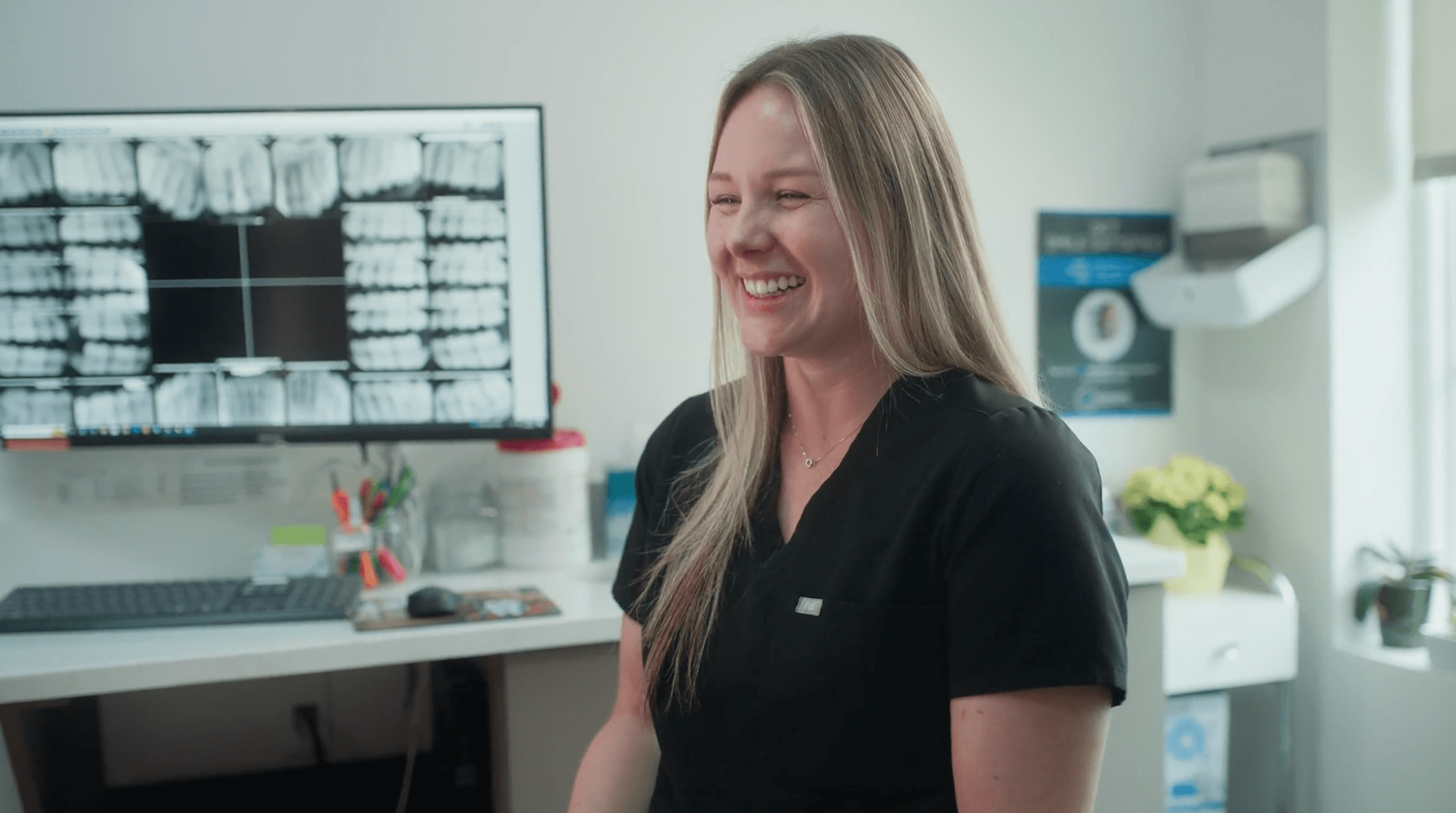
A friendly female dentist explaining a treatment plan to a smiling female patient in a modern clinic.

Experience And Technology Should Work Together

A strong laser gum treatment experience starts with accurate diagnosis. Tools like Vatech CT/Pano imaging and 3Shape digital scanners help clinicians evaluate the condition of the teeth, bone, and gums with more precision before they recommend care.

It also helps when the team can support anxious patients with more than one comfort option. Laughing gas, oral sedation, IV sedation, and general anesthesia can make treatment far more approachable for people who've delayed care because of fear.

Proven Protocols Matter

Not every laser approach is the same. Protocol matters. Training matters. Case selection matters.

For patients researching outcomes, this article on LANAP effectiveness states that LANAP laser gum surgery has a verified 87.9% success rate, making it the only FDA-approved laser periodontal treatment for gum disease.

That doesn't mean every patient should have LANAP. It means proven systems deserve attention, especially when you're comparing your options.

Why Patients Look For More Than A Procedure

People rarely choose a dental office because it owns advanced equipment. They choose because they want to feel safe, understood, and well cared for.

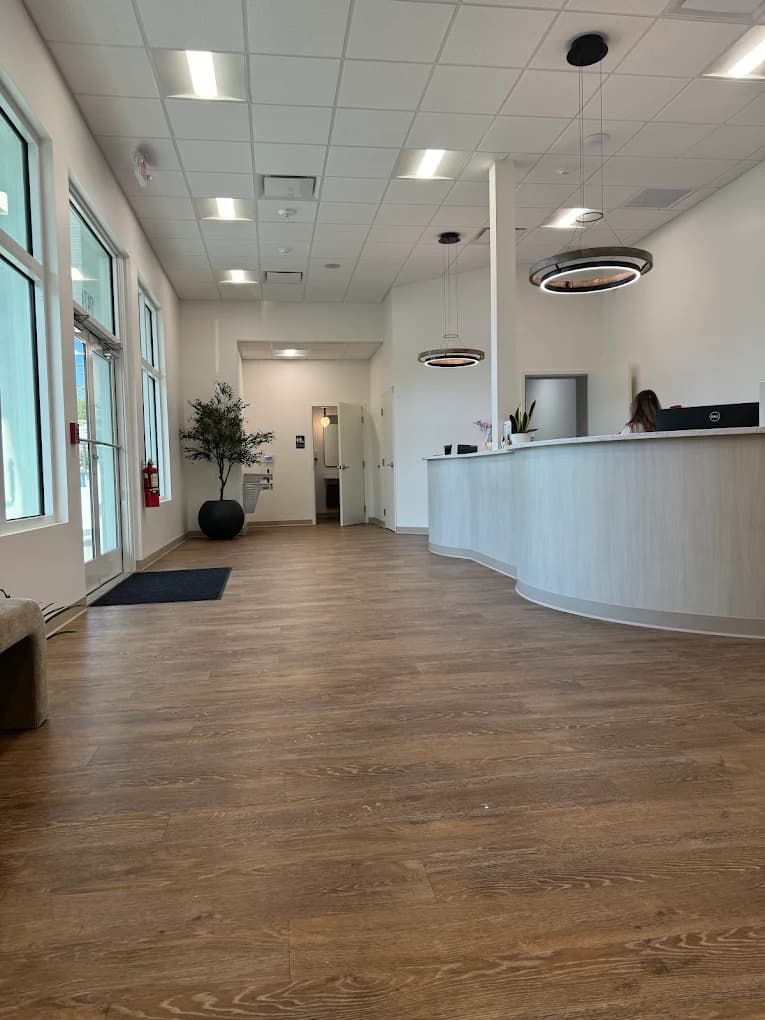
At St. Pete Family & Cosmetic Dentistry, patients benefit from more than 66 years of combined experience, modern diagnostics, multiple sedation options, transparent financing support, and a care philosophy built around reducing stress while delivering precise treatment. For families and adults in St. Petersburg and Tampa, that combination makes a real difference.


If you're dealing with bleeding gums, bad breath, gum recession, or a recent diagnosis of periodontitis, the next step is a clear evaluation with a team that will explain your options without pressure. St. Pete Family & Cosmetic Dentistry offers modern, patient-centered care designed to make treatment feel understandable, comfortable, and worth doing now rather than later.