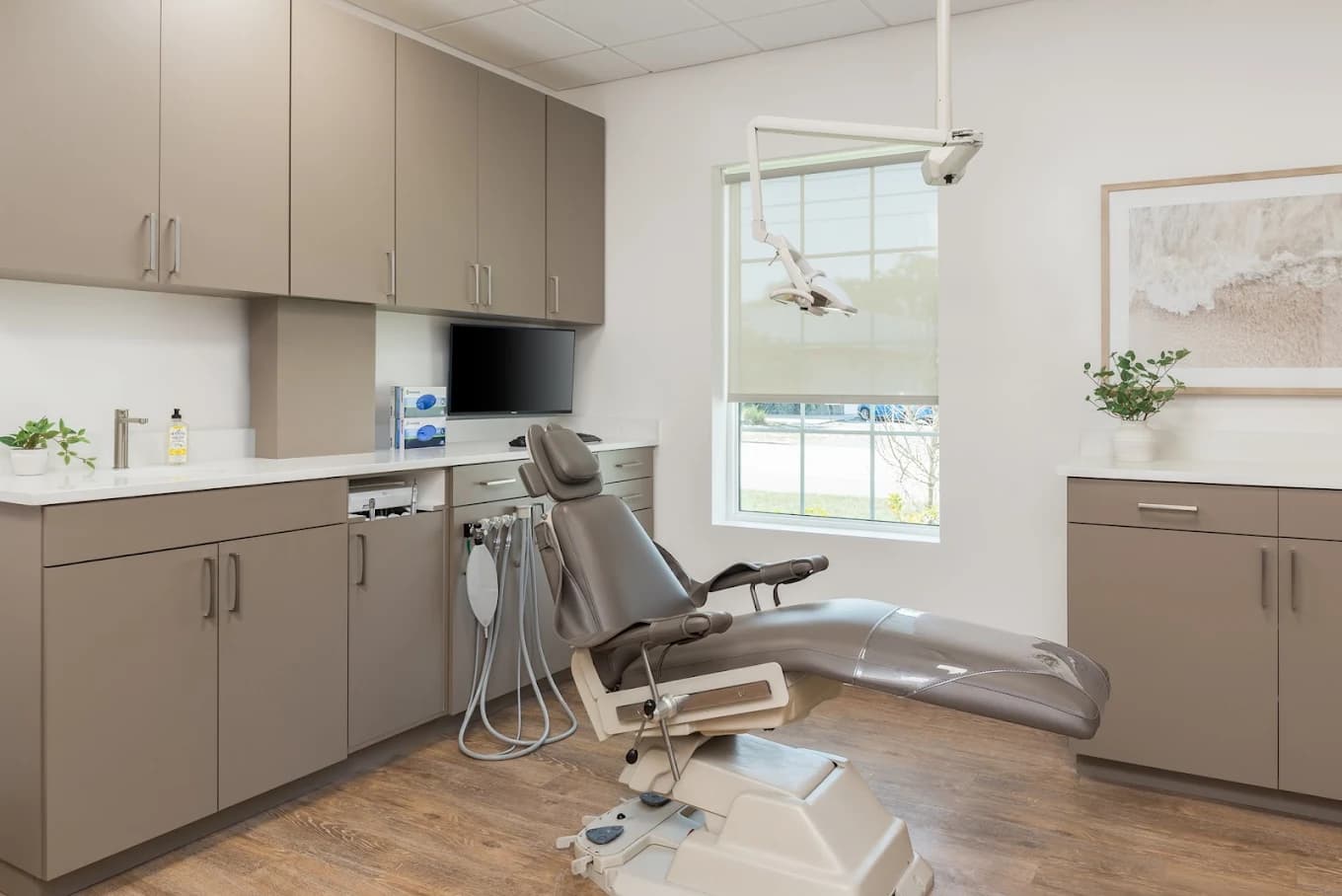
Dental treatment chair in a bright clinic with a teal card reading 'Calm Sedation Guide'.]

You finally schedule the appointment. Then the night before, your stomach tightens, your mind starts replaying old dental memories, and you consider canceling.

That reaction is more widespread than generally acknowledged. Some patients feel uneasy only during injections or drilling. Others feel anxious days before they walk through the door. A few avoid care for years, even when they know a tooth is getting worse. If that sounds familiar, you’re not being dramatic. You’re having a very human response to stress.

Sedation can change that experience. It doesn't mean every patient is “put to sleep,” and it doesn't mean you lose control. It means your dental team can match the level of relaxation to what you need. For some people, that’s a little help taking the edge off. For others, it’s a deeper level of calm that makes a long procedure feel much shorter.

If fear has kept you from getting care, it may help to read practical guidance on how to get over dental phobia. The right information often lowers anxiety before treatment even begins.

Putting An End To Dental Fear

I meet patients all the time who say some version of the same thing: “I know I need to come in. I just couldn’t make myself do it.” Sometimes they’ve had a painful dental visit in the past. Sometimes they hate the sounds, the numb feeling, or just the loss of control that comes with sitting in the chair.

Avoiding care usually starts small. You postpone a cleaning. Then a filling. Then a tooth starts bothering you, but now you’re not only worried about the procedure. You’re worried the problem has gotten bigger while you were waiting.

Sedation helps break that cycle. Instead of forcing yourself to “tough it out,” you can choose a calmer experience that fits your anxiety level and the treatment you need. That matters for routine care, and it also matters for bigger procedures like extractions, implants, root canals, or multiple restorations in one visit.

A good sedation plan isn't about knocking everyone out. It's about helping the right patient feel safe enough to get the care they've been avoiding.

Many patients feel relief once they learn they have options. You might stay fully awake with laughing gas. You might take a prescribed pill before the appointment. You might choose IV sedation if your anxiety is stronger or your procedure is longer. In certain cases, deep sedation or general anesthesia may be the right fit.

The important part is this. Sedation should be chosen around the patient’s experience, not just the procedure name. Two people getting the same treatment may need very different support to feel comfortable.

Understanding The Spectrum Of Sedation

Sedation isn't one single thing. It works more like a dimmer switch than an on-off button. The lighter settings help you relax while staying alert. The deeper settings create a dreamlike or sleep-like state with little memory of treatment.

Researchers estimate that dental anxiety affects 30% to 80% of adults globally, and 3% to 16% experience fear severe enough to become a phobia that can lead them to avoid care altogether, according to dental anxiety and sedation dentistry statistics.

A colorful abstract sculpture of rounded pillars set against an blurred out dental or hospital hallway background.

A helpful way to think about the types of sedation for dentistry is to picture four general levels:

  • Minimal sedation means you feel calmer, but you're awake and aware.
  • Moderate sedation makes you much more relaxed and drowsy, though you can still respond.
  • Deep sedation puts you very close to sleep, and waking you takes more stimulation.
  • General anesthesia means you're fully unconscious.

What Determines The Right Level

The choice isn't based on fear alone. Your dentist also looks at:

  • Your medical history including medications, breathing issues, and past sedation experiences
  • The length of treatment because a quick filling and a long implant appointment feel very different
  • Your comfort triggers such as gag reflex, needle fear, noise sensitivity, or trouble sitting still
  • Your age and support needs especially when planning care for children and teens

Some patients assume asking for sedation means they’ve failed at being “brave.” That’s not how dentistry works. Sedation is a clinical tool, just like local anesthetic or digital imaging. It helps us provide care more safely and more comfortably.

If you want to see how this works in a real practice setting, you can review sedation dentistry in St. Petersburg.

The Goal Is Comfort With Control

Not everyone requires the deepest option. They need the option that makes the appointment feel manageable. That might be enough relaxation to stop your shoulders from tensing. Or enough amnesia that you don’t replay the visit in your head afterward.

Once you understand the spectrum, the question changes from “Do I need sedation?” to “Which level would help me feel safe?”

Minimal Sedation Laughing Gas

For many anxious patients, nitrous oxide, often called laughing gas, is the easiest place to start. It’s the lightest sedation option and one of the most familiar.

Nitrous oxide was first used in dentistry in 1844 and remains the most widely used sedation method. Some studies show it accounts for over 86% of dental sedation cases, which is why many clinicians view it as the standard option for mild to moderate anxiety.

A relaxed patient wearing a nasal cannula for sedation during a comfortable dental procedure session.

What It Feels Like

Patients usually describe laughing gas in simple, sensory terms. Light. Floaty. Warm. A little detached from the stress of the appointment.

You’re still awake. You can still answer questions. You can still cooperate during treatment. That’s why I often describe nitrous oxide as a soft buffer between you and the parts of dentistry you dislike.

It’s given through a small mask over your nose. You breathe normally, and the calming effect comes on quickly. In clinical use, patients typically begin with 100% oxygen for 2 to 5 minutes, then inhale nitrous oxide at a concentration often around 30 to 40%, with safety protocols keeping it below 70%.

Why Patients Like It

Nitrous oxide is popular because it checks several boxes at once:

  • Fast onset: You don’t have to wait long to feel the effect.
  • Easy adjustment: The dental team can raise or lower the amount during the visit.
  • Quick recovery: The feeling fades rapidly once the gas is stopped.
  • Drive-home convenience: Unlike deeper sedation, many patients can drive themselves home afterward.

Practical rule: If your biggest problem is taking the edge off, not losing awareness entirely, laughing gas is often the first option worth discussing.

Who It Often Helps Most

This option is especially useful for patients who need support but don't want a heavy sedative. It often works well for:

  • Mild to moderate anxiety
  • Sensitive gag reflexes
  • Short or routine visits
  • Children ages 5 and up who need gentle reassurance

For kids, nitrous oxide can be especially helpful because it works quickly and wears off quickly. That makes the experience easier on both the child and the parent.

It’s not the right fit for every situation. If your fear is intense, or if your treatment is lengthy and complex, a deeper level of sedation may make more sense. But for many people, laughing gas is the moment they realize dental visits don't have to feel overwhelming.

Moderate Sedation Oral And IV Options

Once we move beyond laughing gas, most patients are deciding between two common forms of moderate sedation. One is oral sedation, which usually means taking a prescribed pill before your appointment. The other is IV sedation, where medication is delivered directly into a vein and adjusted during treatment.

Both can help anxious patients get through care calmly. The difference is how they get you there.

Oral Sedation

Oral sedation is often the simpler option. You take medication before the appointment, and by the time treatment begins, you feel relaxed and sleepy. Many patients remember parts of the visit only vaguely.

For moderate sedation, benzodiazepines are the most common drug class, and midazolam is widely considered the gold standard because it was used in the majority of clinical studies reviewed for dental sedation, with a strong safety and effectiveness profile when given orally or by IV in appropriate patients, according to this systematic review on conscious sedation in dentistry.

Oral sedation can be a good match when you want more help than nitrous oxide provides but don't necessarily need the flexibility of IV medication.

Typical reasons patients choose it include:

  • You feel anxious before the visit even starts
  • You prefer avoiding an IV if possible
  • You want a deeper sense of calm for a longer appointment

The tradeoff is predictability. A pill can work very well, but it isn't adjusted moment by moment the way IV sedation can be. Once you've taken it, the effect unfolds over time.

IV Sedation

IV sedation is often described as twilight sleep. That phrase helps patients understand the experience. You aren't usually fully unconscious, but you're thoroughly relaxed, drowsy, and often remember very little afterward.

With IV sedation, medication enters the bloodstream directly. That allows the provider to adjust the level throughout the procedure. If you need more support during a stressful moment, the dose can be titrated. If less is needed, it can be reduced.

A comparison chart showing the differences between oral conscious sedation and IV sedation for dental procedures.

This level of control is one reason IV sedation is often chosen for:

  • Strong dental fear
  • Long restorative visits
  • Implants, extractions, or multiple procedures in one session
  • Patients who have trouble getting numb or staying relaxed

Side By Side Differences

Here’s the practical comparison patients usually want.

Oral sedation is more like setting the mood before you arrive. It helps your whole system settle down gradually.

IV sedation is more like having a volume knob the provider can adjust during the appointment.

Some patients don't want to remember the procedure at all. Others just want enough calm to get through it. That's often the deciding point between oral and IV sedation.

Clinical descriptions of IV sedation note that midazolam can reach peak plasma levels within 2 to 5 minutes, allowing rapid effect and real-time adjustment, and monitoring commonly includes heart rate, blood pressure, oxygen saturation, and end-tidal carbon dioxide. If you want a closer look at how that experience works, this overview of IV sedation dentistry explains what patients can expect.

What Recovery Is Like

Neither oral nor IV sedation is a drive-yourself-home situation. You’ll need a responsible adult to take you home and stay with you if your dentist instructs that you shouldn't be alone right away.

You may feel groggy for the rest of the day. That doesn’t mean anything is wrong. It reflects that these methods are deeper than laughing gas and take longer to wear off.

For the right patient, moderate sedation can turn a dreaded appointment into something much more manageable. Not fun, necessarily. But calm, efficient, and far less emotionally draining.

Deep Sedation And General Anesthesia

These are the strongest options on the sedation spectrum. They’re usually reserved for severe fear, complex surgical treatment, or situations where lighter methods won’t provide enough comfort or control.

Deep sedation means you’re at the edge of consciousness. You may not respond much unless someone stimulates you more directly. General anesthesia goes further. You’re fully unconscious and unaware of the procedure.

That distinction matters because people often use the phrase “being put under” for both. Clinically, they aren’t the same. Deep sedation is very heavy sedation. General anesthesia is complete unconsciousness.

Why These Levels Require More Planning

As sedation deepens, safety depends more heavily on training, equipment, and continuous monitoring. Providers monitor breathing, circulation, oxygen levels, and overall responsiveness throughout the procedure.

IV sedation is also known for its effect on memory. Clinical data cited in one review reports that amnesia rates exceed 80%, which helps many high-fear patients avoid remembering the procedure and can reduce the emotional buildup that keeps them from future care, as described in this discussion of sedation types in dentistry.

When Patients Ask For The Deepest Option

Sometimes patients assume deeper always means better. It doesn't. The safest and smartest choice is the least amount of sedation that still gives you a comfortable experience.

Deep sedation or general anesthesia may make sense when:

  • Severe phobia makes lighter options unrealistic
  • A surgical procedure is extensive
  • A patient can't tolerate treatment while awake
  • Medical and behavioral factors call for more controlled conditions

Deeper sedation can be the right answer. It just needs to be chosen carefully and delivered by trained professionals with the right monitoring in place.

For most routine dentistry, patients don't need this level. But when they do, it can make necessary treatment possible when nothing else has worked.

Preparing For Your Sedation Dentistry Visit

Good sedation starts before the appointment. The medication matters, but preparation matters just as much. When patients follow instructions closely, the visit is smoother, safer, and less stressful.

A bright workspace with an open notebook, pen, green coffee mug, and a calendar for June.

What Your Dental Team Needs To Know

Before sedation, your dentist will review your health history in detail. That includes current medications, supplements, allergies, breathing issues, past reactions to anesthesia, and whether you have conditions that affect your heart, lungs, or blood pressure.

This isn't paperwork for paperwork’s sake. Sedation is safest when your team understands the whole picture.

Bring questions too. If you’re worried about nausea, memory loss, needles, or waking up during treatment, say so. Those concerns are common, and they help guide the plan.

The Prep Steps Patients Should Take Seriously

Instructions vary by sedation level, but these are the basics many patients need to expect:

  • Follow eating and drinking rules exactly: If your dentist tells you to stop food or liquids at a certain time, adhere strictly to those instructions.
  • Arrange a ride early: For oral, IV, deep sedation, and general anesthesia, you’ll need someone to drive you home.
  • Wear comfortable clothing: Loose sleeves can help if monitoring equipment or an IV is needed.
  • Take only approved medications: Don’t assume your normal routine is unchanged. Ask.
  • Clear your schedule afterward: Give yourself recovery time instead of trying to return to work or errands.

Pediatric Safety Questions Matter

Parents usually ask the best questions. They want to know not just whether sedation works, but whether it’s appropriate for their child’s age and needs.

For parents considering sedation, safety comes first. The FDA has issued warnings regarding anesthesia for children under 3. For older children, including patients ages 5 and up, options like nitrous oxide have a strong safety profile, and many dentists prioritize single-session treatment planning to limit exposure, as discussed in this review of pediatric sedation and anesthesia concerns.

That leads to a practical point. For children old enough to be treated in a family practice, the lightest effective option is often preferred. If a child can comfortably complete care with nitrous oxide and good behavior support, that's often more appealing than repeated or deeper sedation.

If you still have questions before booking, a good place to start is the practice frequently asked questions page, which can help you prepare for the conversation.

Your Comfort Is Our Priority At St Pete Family & Cosmetic Dentistry

Choosing among the different types of sedation for dentistry is easier when the office offers more than one path. A practice that provides laughing gas, oral sedation, IV sedation, and general anesthesia can match the plan to the patient instead of forcing every patient into the same experience.

At St. Pete Family & Cosmetic Dentistry, patients ages 5 and up can receive care with multiple sedation options as part of broader preventive, restorative, cosmetic, and emergency treatment. The practice also uses tools such as Vatech CT/Pano imaging and 3Shape digital scanners, which support precise planning and more efficient treatment visits. The doctors bring more than 66 years of combined experience, and the practice has earned 250+ five-star reviews from patients in St. Petersburg and Tampa.

That combination matters for anxious patients. A thoughtful consultation can separate three questions that often get lumped together: How afraid are you, how complex is the treatment, and how much memory of the visit do you want?

Some patients need only a little help with cleanings or fillings. Others want stronger support for extractions, root canals, implants, or multiple procedures in one sitting. If you want to explore those options with a local team, you can learn more from this page about a St. Pete sedation dentist.

The right sedation plan should make treatment feel possible again. That’s the main goal.

Frequently Asked Questions About Dental Sedation

Will I Feel Pain During Sedation Dentistry

Sedation reduces anxiety and helps you relax. It doesn't replace local anesthetic, which numbs the area being treated. Most patients receive both. The sedation helps you stay calm, while the numbing medication blocks pain.

That combination is why many patients say the appointment felt much easier than they expected.

How Long Will I Feel Groggy Afterward

It depends on the type of sedation. Laughing gas usually wears off quickly, which is why it’s the main option that may allow you to drive afterward. Oral sedation, IV sedation, deep sedation, and general anesthesia usually require more recovery time.

Plan for a quiet day. Even if you feel fairly normal, your judgment and coordination may not be back to baseline yet.

Is Sedation Safe If I Have A Medical Condition

It can be, but only after a careful review of your medical history. Conditions involving the heart, lungs, blood pressure, medications, or past anesthesia reactions may affect which option is appropriate.

This is one reason the consultation matters so much. The safest sedation is the one selected with your health history in mind, not the one that sounds strongest.

Is Sedation Dentistry Covered By Insurance

Coverage varies widely. Some plans cover sedation when it’s tied to specific procedures or medical necessity. Others treat it as an elective add-on. The only reliable answer is to have your benefits checked before treatment.

Ask for a clear estimate in advance so you know what the procedure, sedation, and follow-up costs may involve.

Can I Choose Sedation Even For Routine Dentistry

Often, yes. Some patients use laughing gas for cleanings or fillings because anxiety shows up even during basic care. Others reserve deeper sedation for longer visits.

What matters is not whether the procedure sounds “big enough.” What matters is whether anxiety is likely to interfere with getting the care done comfortably and safely.


If dental fear has been delaying care, St. Pete Family & Cosmetic Dentistry offers consultations to help you understand which sedation option fits your anxiety level, health history, and treatment needs. A clear plan can make your next visit feel much more manageable.